


 |
||||||||||||||||||||||||||||||||||||||||||||||||||||||||||||||||||||||||||
|
||||||||||||||||||||||||||||||||||||||||||||||||||||||||||||||||||||||||||
 |






































































 |
||
 |
||
 |
EMBROIDERED SILK POSTCARDS (and SWEETHEART PILLOWS) (every effort has been made to trace copyright holders and to obtain their permission for the use of copyrighted material. I apologise for any errors or omissions and would be grateful to be notified of any objections to the image(s) shown. Novelty postcards crafted from card and silk first appeared around 1898, originating from France and Switzerland. In 1903, Thomas Stevens and William Grant began an English manfacturing process. The Great War created a popular demand for keepsake souvenirs of the conflict, such as trench art, embroidered postcards, sweetheart pillows. 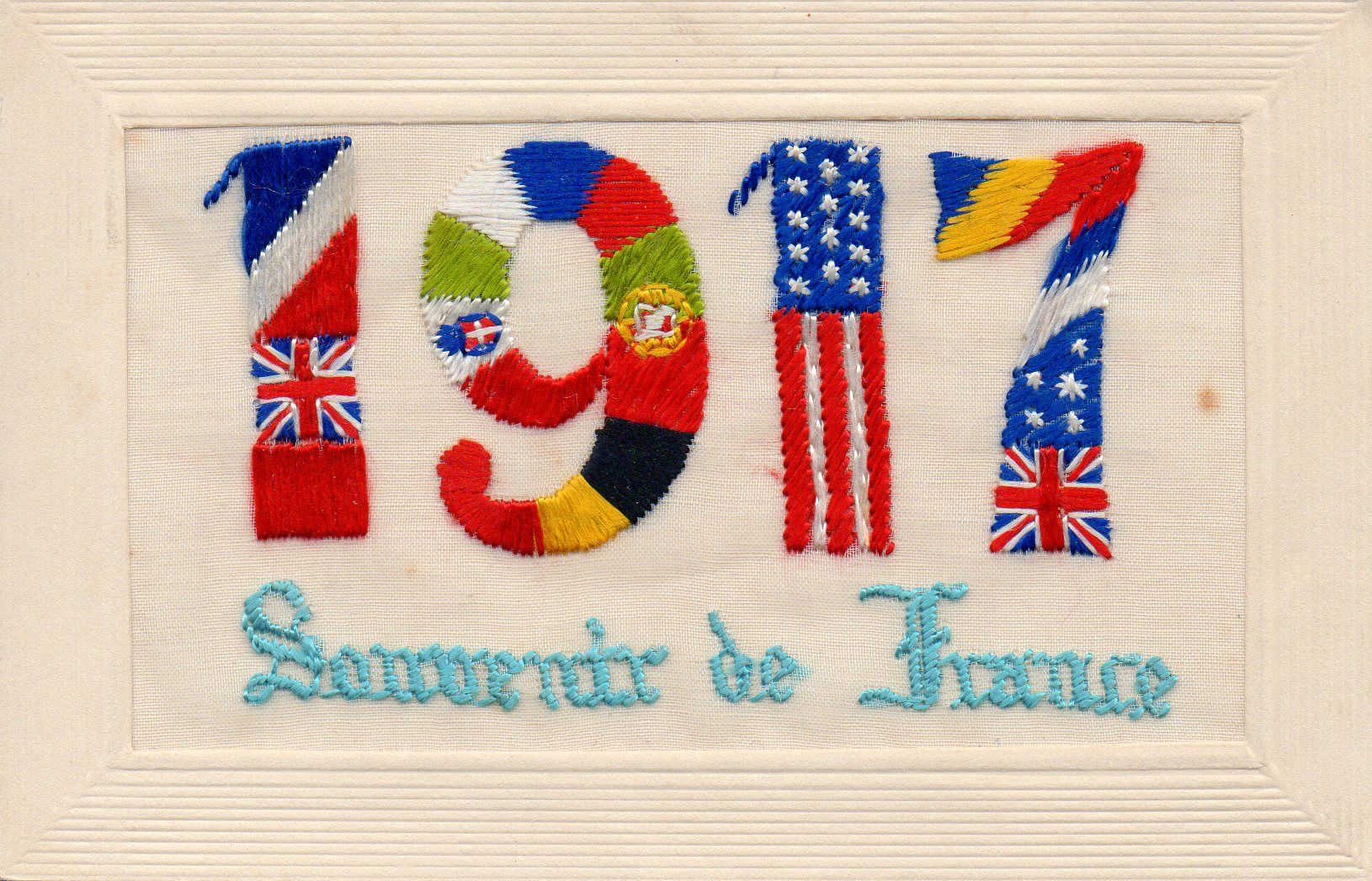 Early hand embroidered postcards were superseded by machine produced items - from 1915 these machines were employed to mass-produce images, crafted from coloured silk threads. The different effects produced in the embroidery depended upon the type of machine used (an early pantograph and a later larger punched-card machine are shown below). 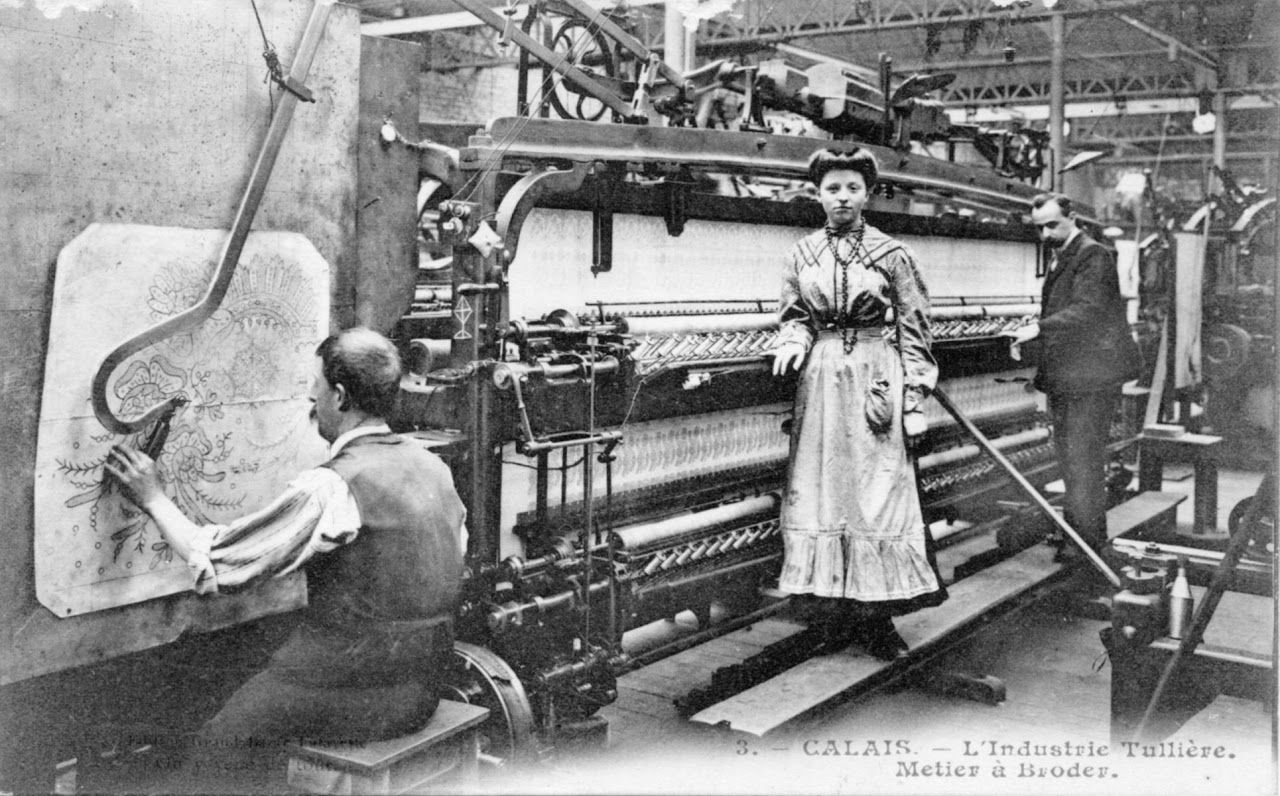 (Photos courtesy of Dr Ian Collins - see his Book and Website Link below) 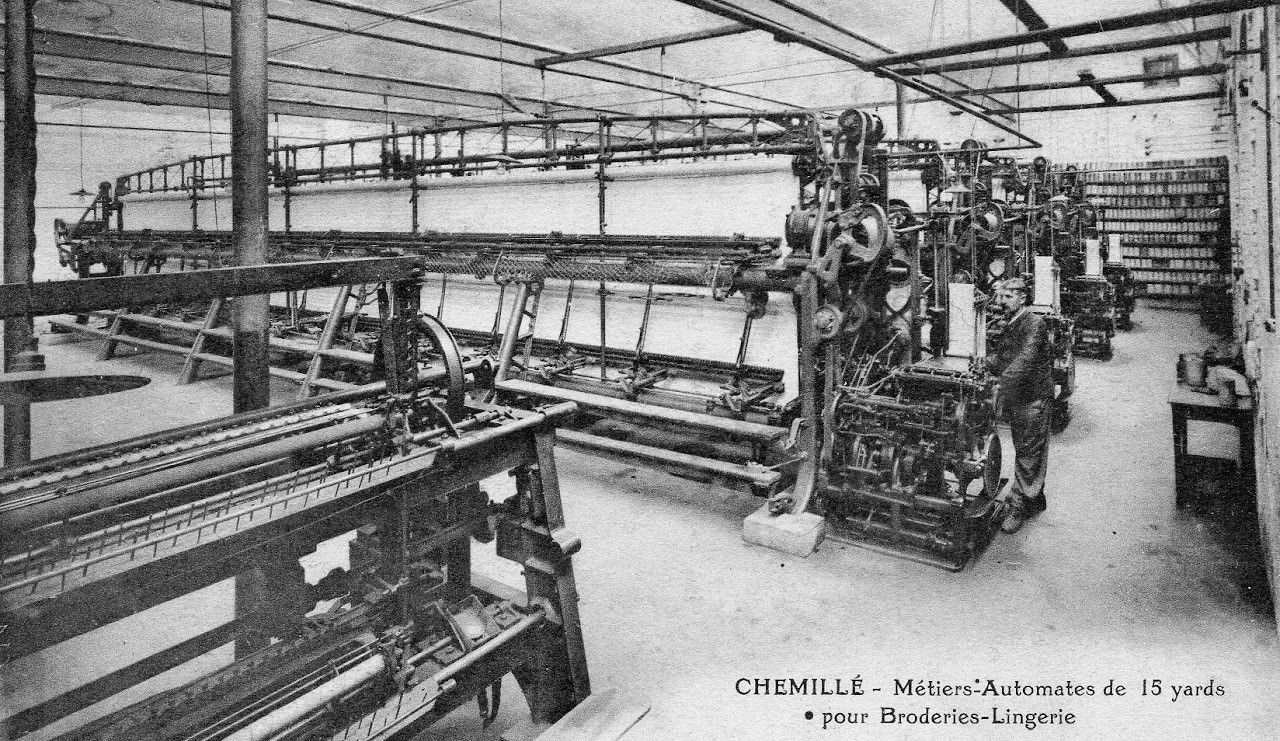  These hand-embroidery machines used a pantograph system to transfer the stitches. Each stitch is drawn out on a large scale design and then its position traced by an operator using a point on one arm of the pantograph. A series of needles responds to the movement of the pantograph arm. Each needle has an eye in the middle for the thread, and two sharp ends. The needle is passed backwards and forwards through the ground cloth using a pincer system (double-sided pincer wagons), so imitating the action and appearance of hand embroidery. Each colour in the design is individually stitched (so all the blue parts, for example, are worked, and then the machine is re-threaded with a new colour), until the design is complete. This machine, in various sizes, was used in both domestic and factory settings. (Below) Examples of silk sheets with machine embroidered designs for the embroidered postcards. (Courtesy Textile Research Centre, Leiden, acc. no. TRC 2015.0421)    Identical designs were embroidered with coloured silk onto a starched strip/roll of silk/organdie, usually 25 times, although some rolls have been discovered with 400 such designs. Once embroidered, they were cut and mounted onto card backing. An embossed frame was secured over the top of each card, which was finally "trimmed" and finished. It has been estimated that over ten million of the multi-themed beautiful cards were produced and sold to soldiers and the public, bringing considerable profits to their manufacturers. Once it had been established that this form of postcard was very popular and lucrative for producers and sellers, several companies started producing these cards using truly mechanical embroidery machines, which did not imitate hand embroidery. 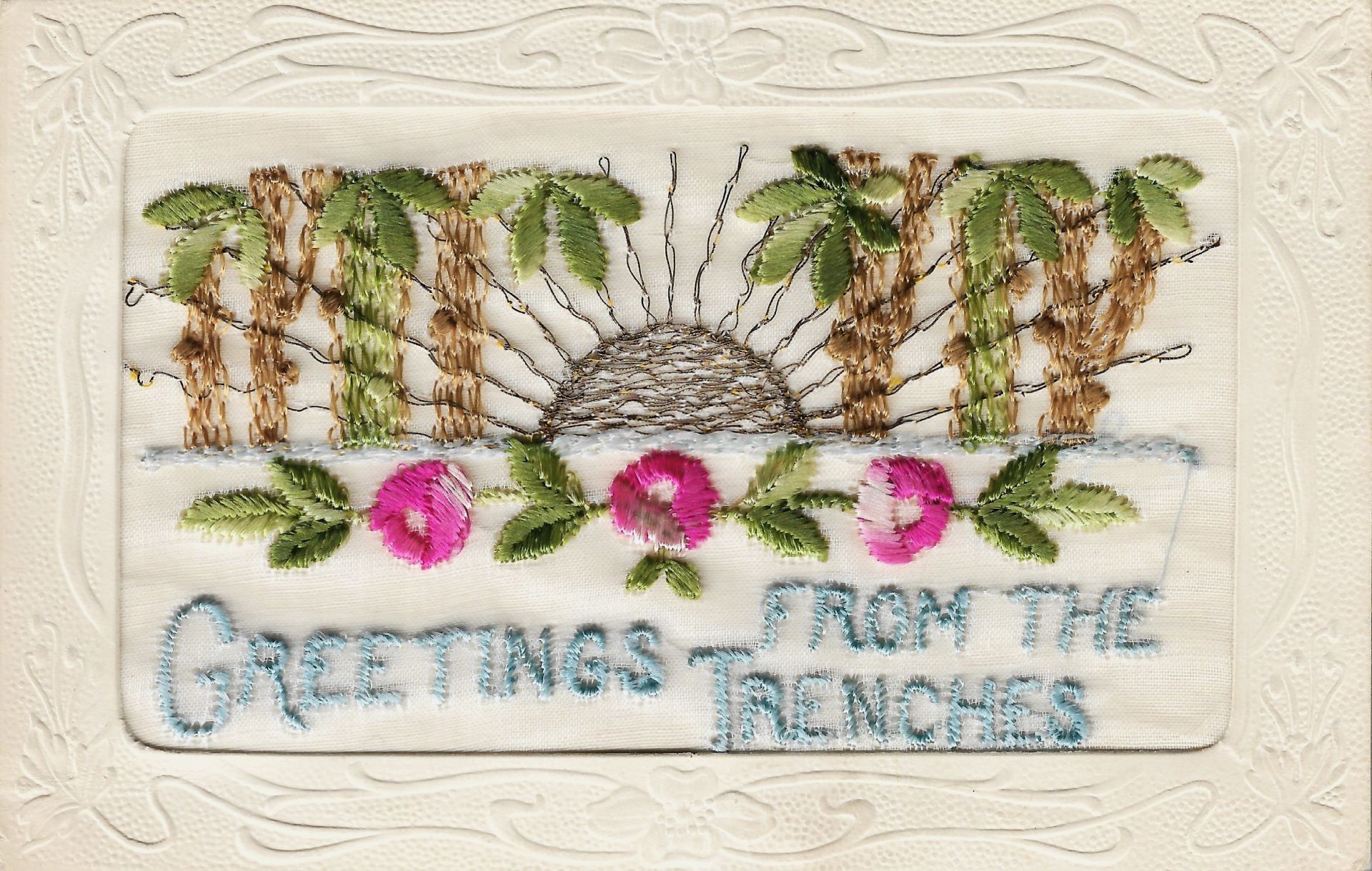  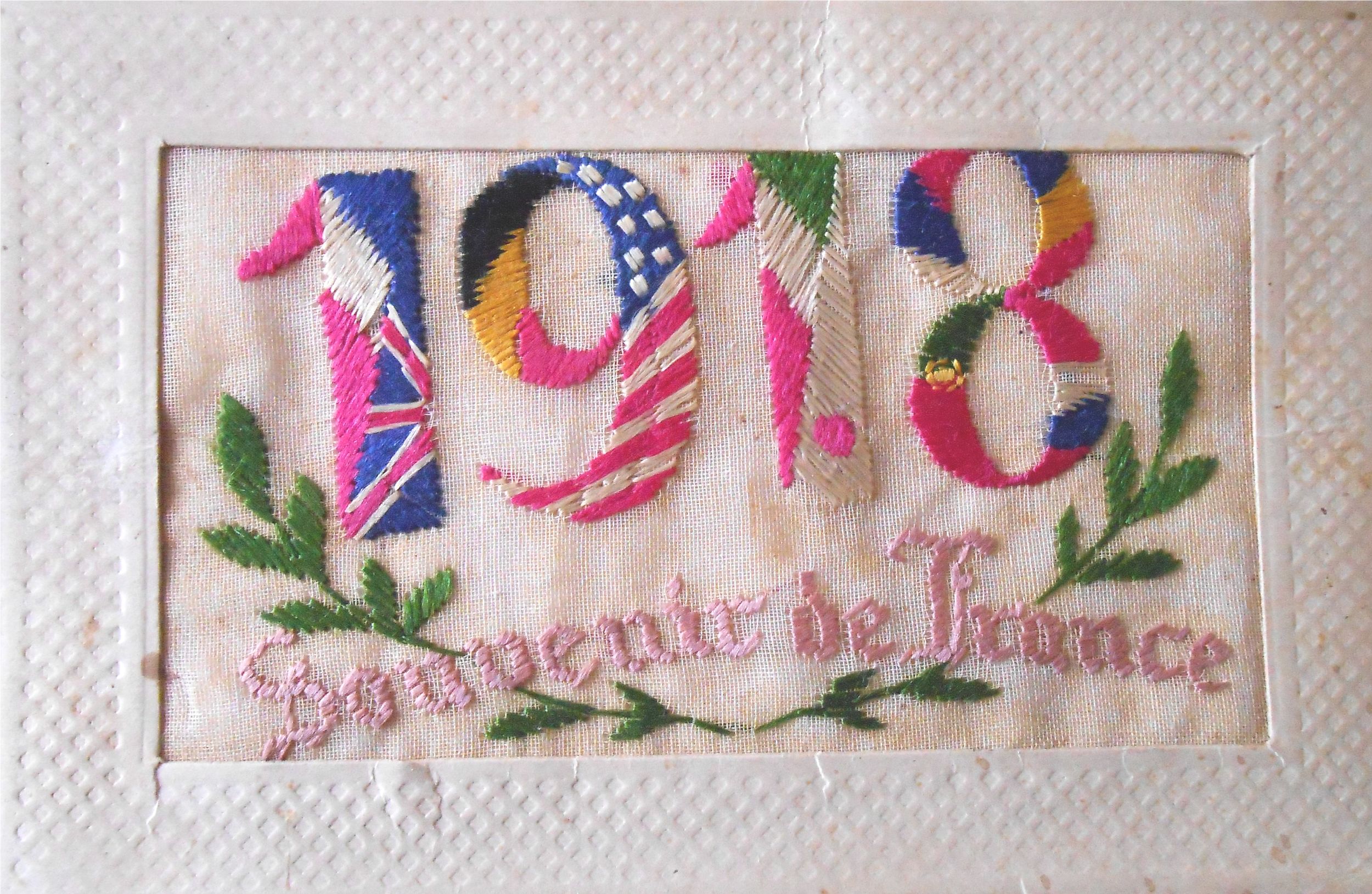  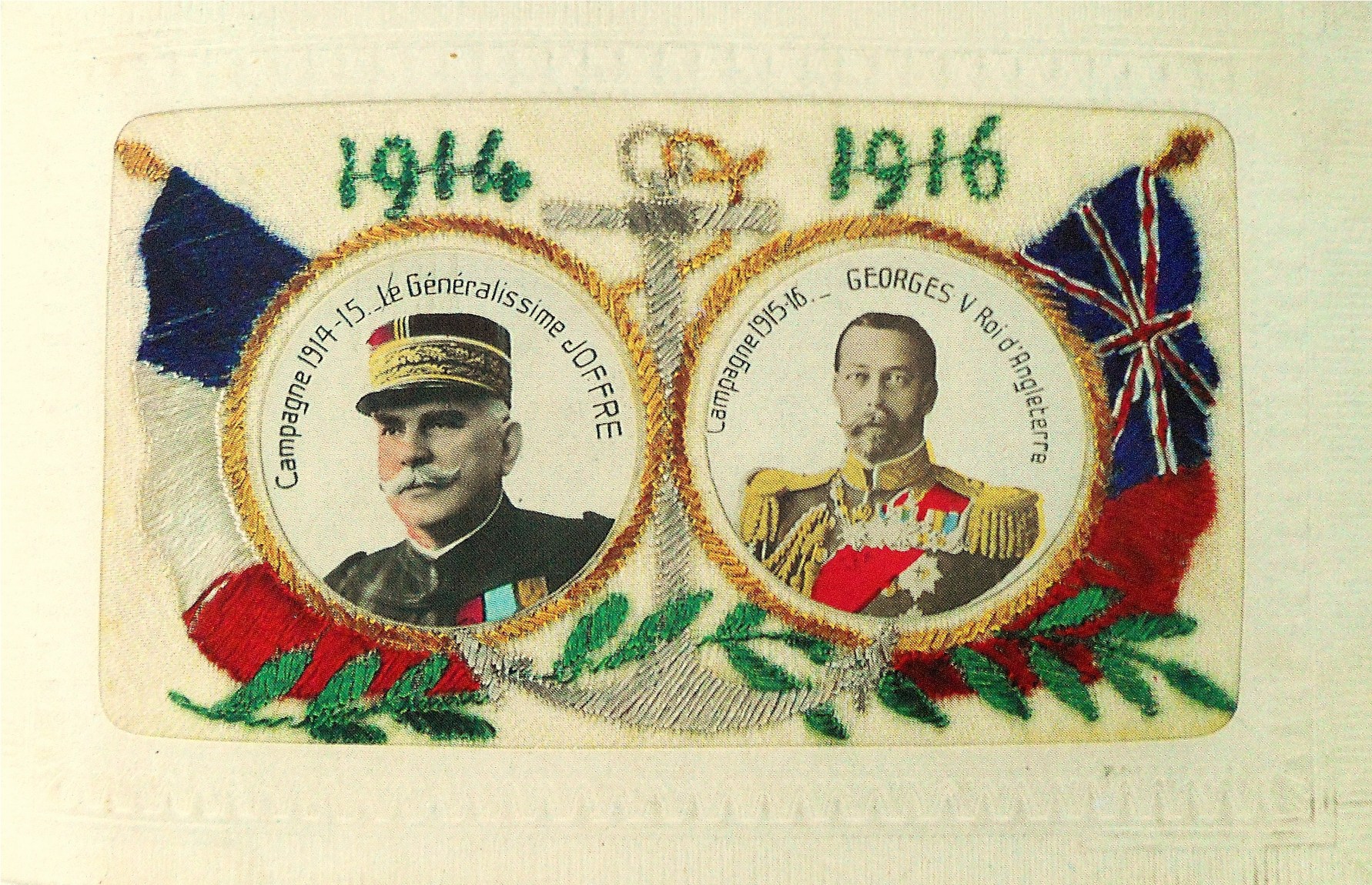  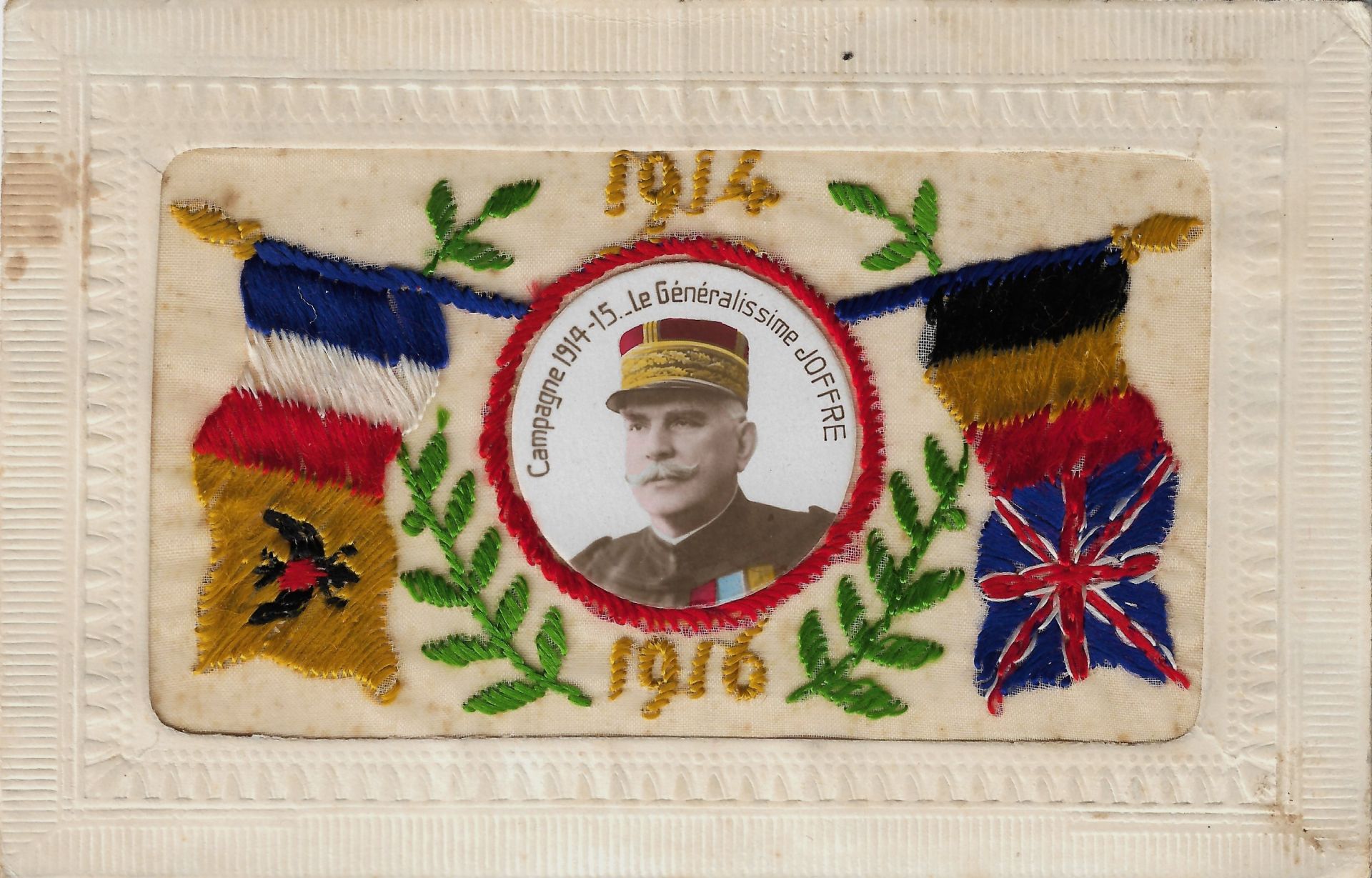 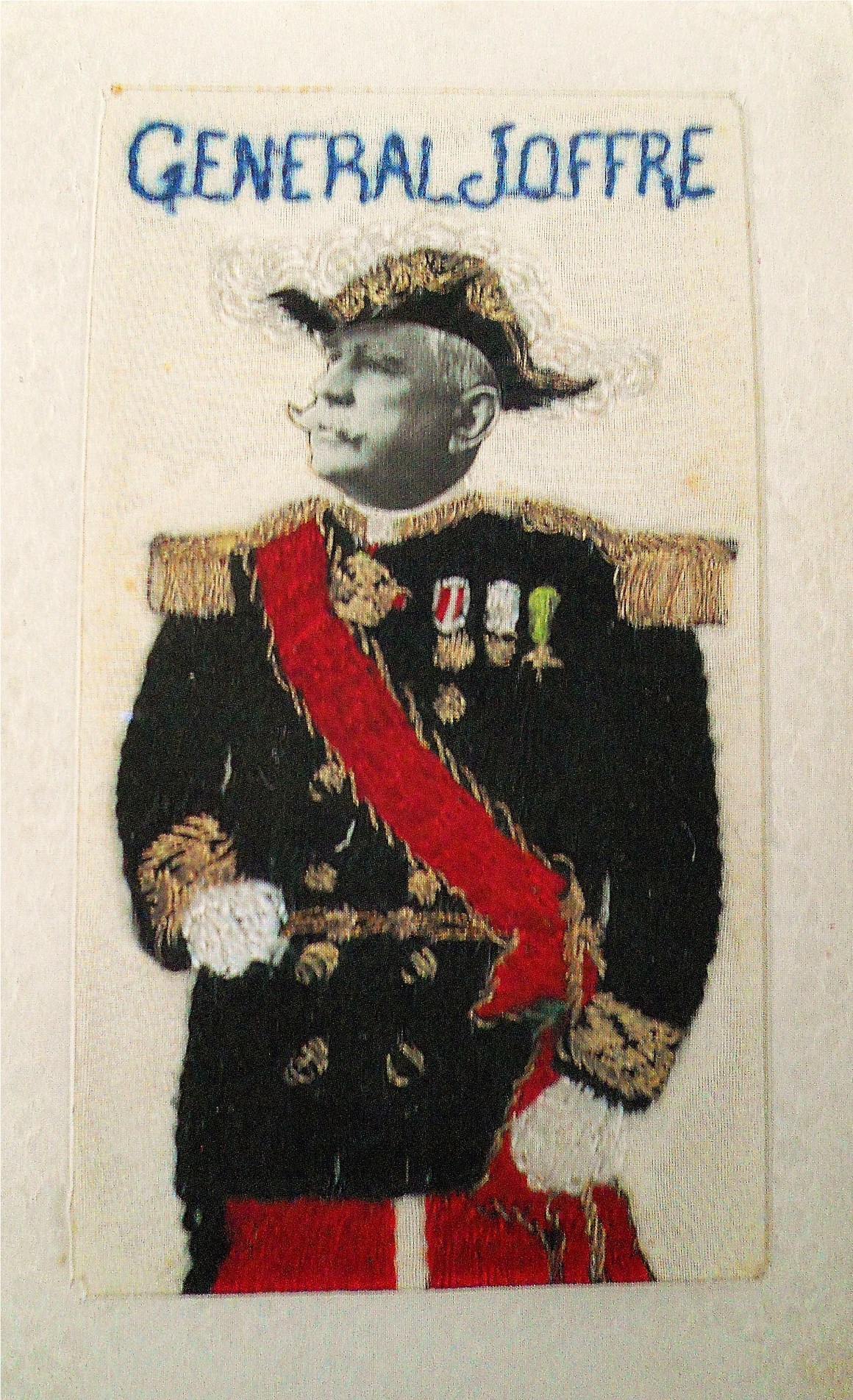 Cards sent by British Forces were rarely posted in the open mail, but sent home to "Blighty" via courier (once approved by an Official Censor, who initialled each card) to loved ones, in brown transparent envelopes, protecting the message in transit and complying with post office regulations that they did not "inconvenience post office machinery". There were no Postage Stamps on these cards as troops were entitled to free postage. Thousands of designs were created in basic design groups: SENTIMENTAL PATRIOTIC REGIMENTAL/MILITARY SERVICES Within these catagories, cards may have had a - panel design pocket design with a card inserted pocket design with a silk hanky inserted panel design with attachment such as a ribbon panel design with photos of notable persons stuck on, amongst flags 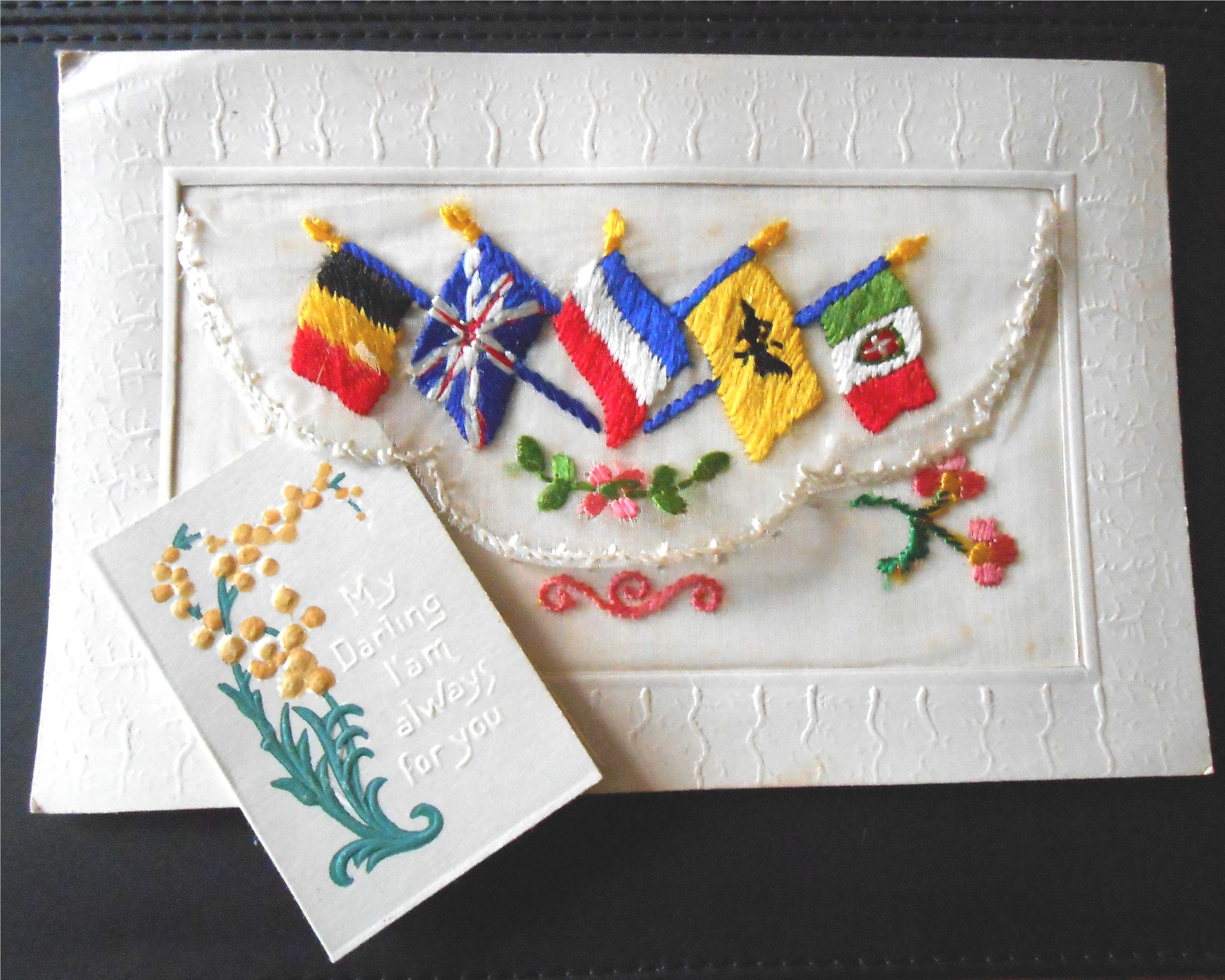 example of a pocket design with a card inserted - the message on the front of this card reads: "My Darling I'am always for you" 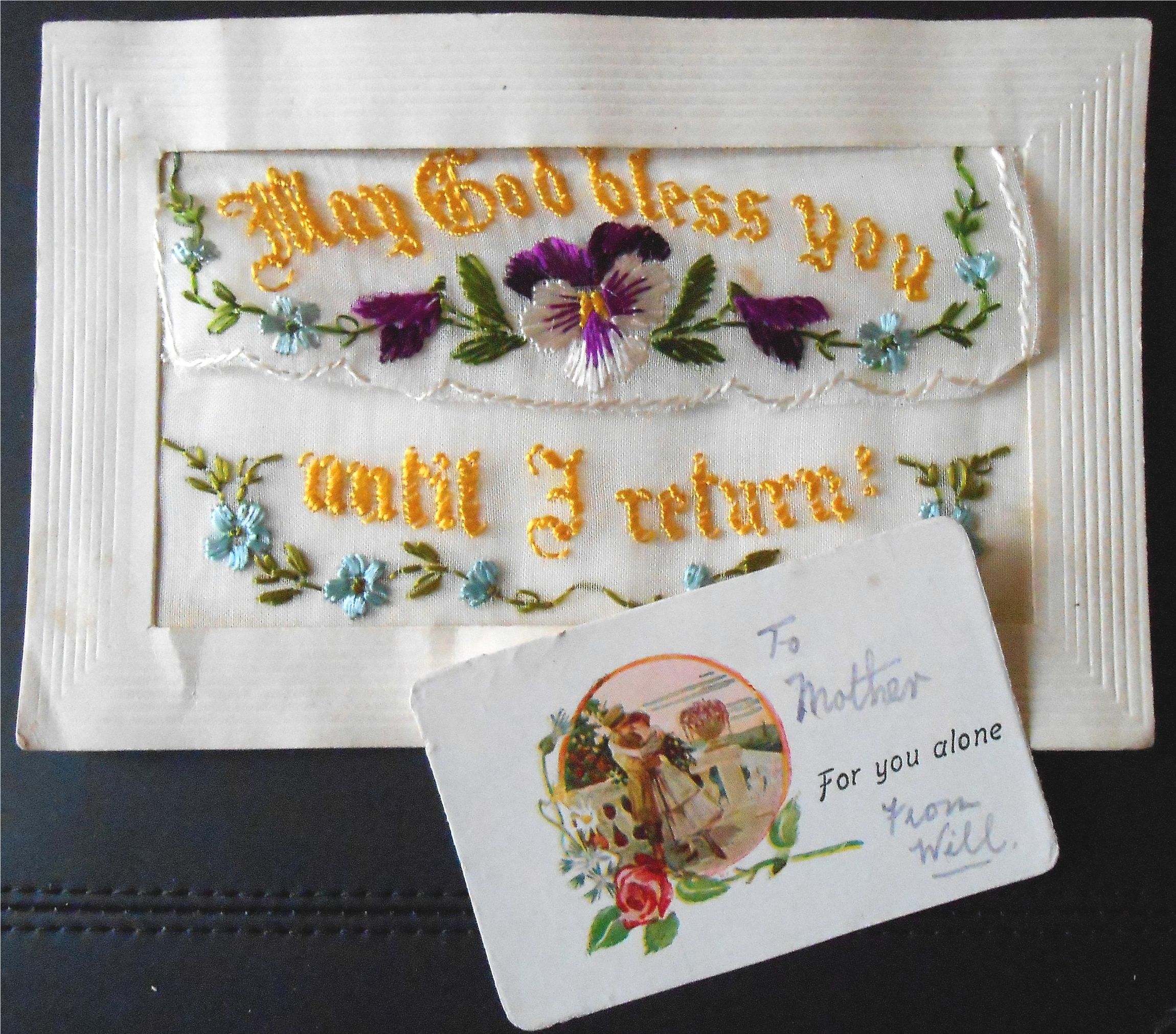 "MAY GOD BLESS YOU UNTIL I RETURN" example of a pocket design with card inserted - the message on the front of this card reads: "For you alone" and is written: "To Mother from Will"  (Above) Rare brown transparent envelope, with an embroidered postcard "LOVE FROM THE FRONT" 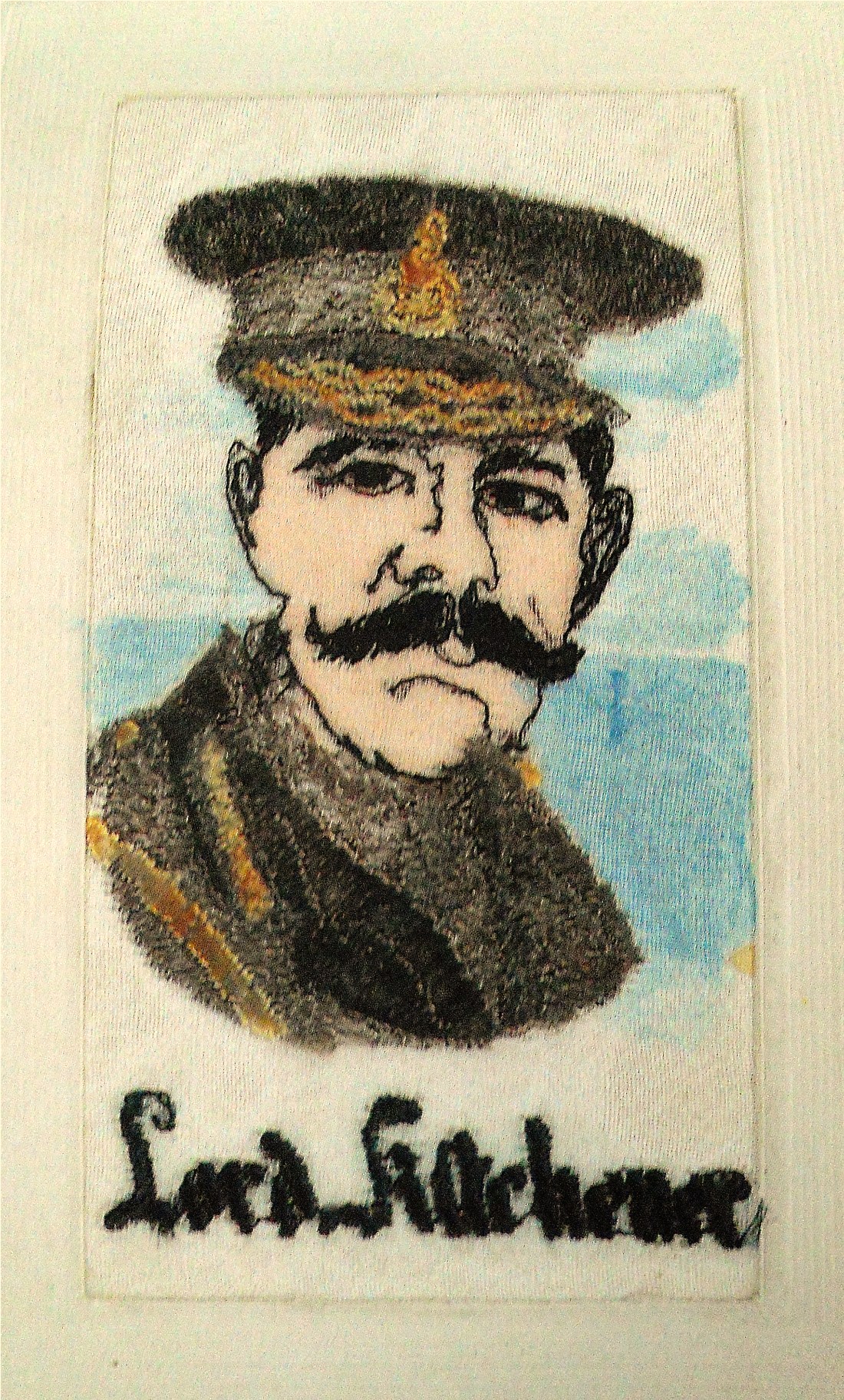 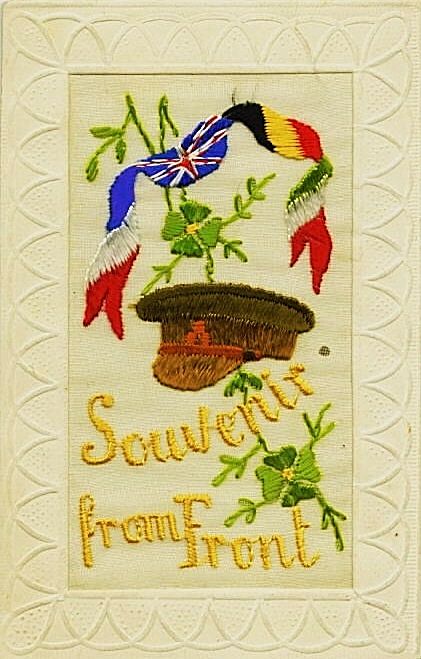 "from the Front souvenir card - a morale boost for the recipient, no doubt !" 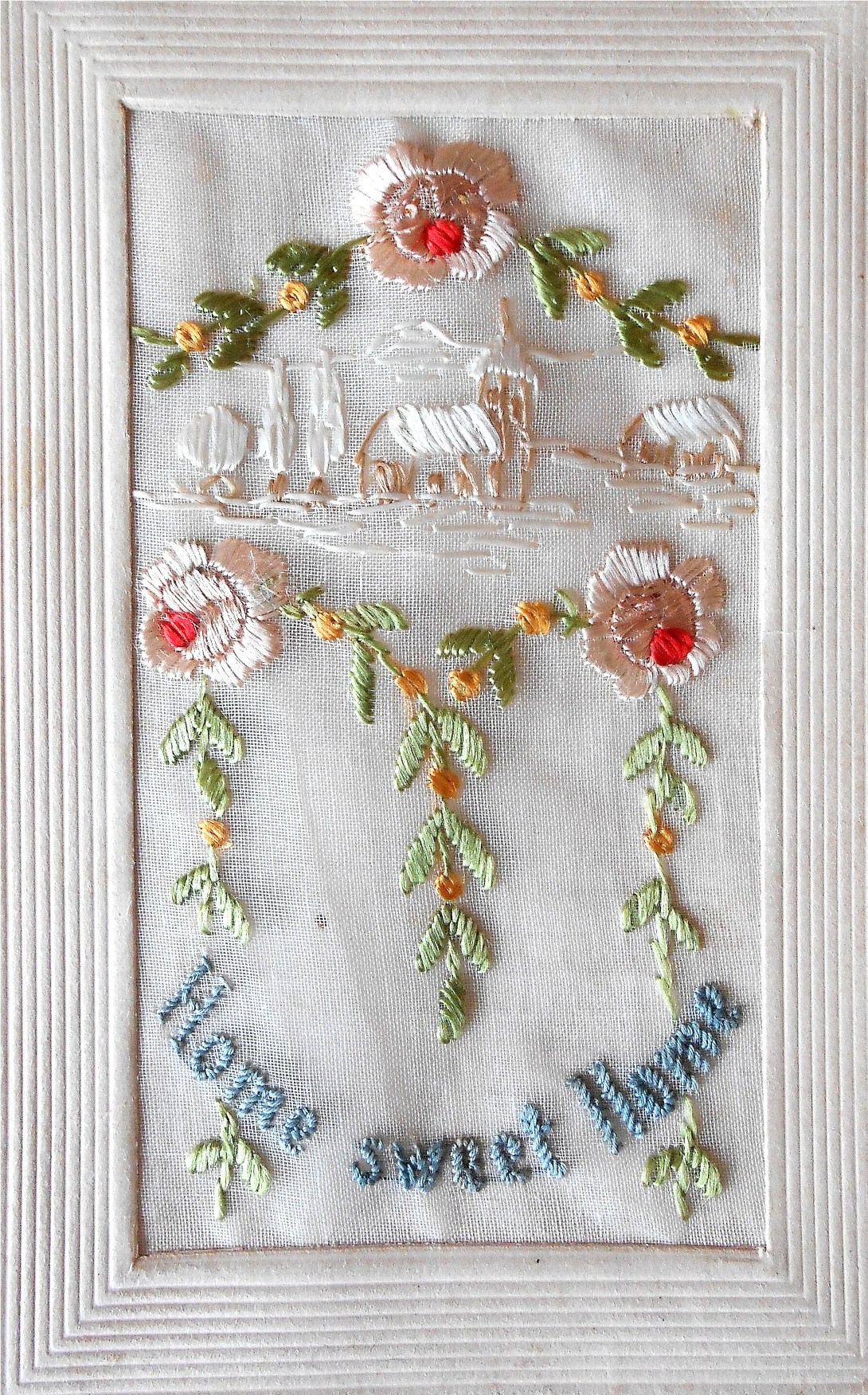 "HOME SWEET HOME" - Church with floral garlands - a notion of every serving soldier's dreams...... 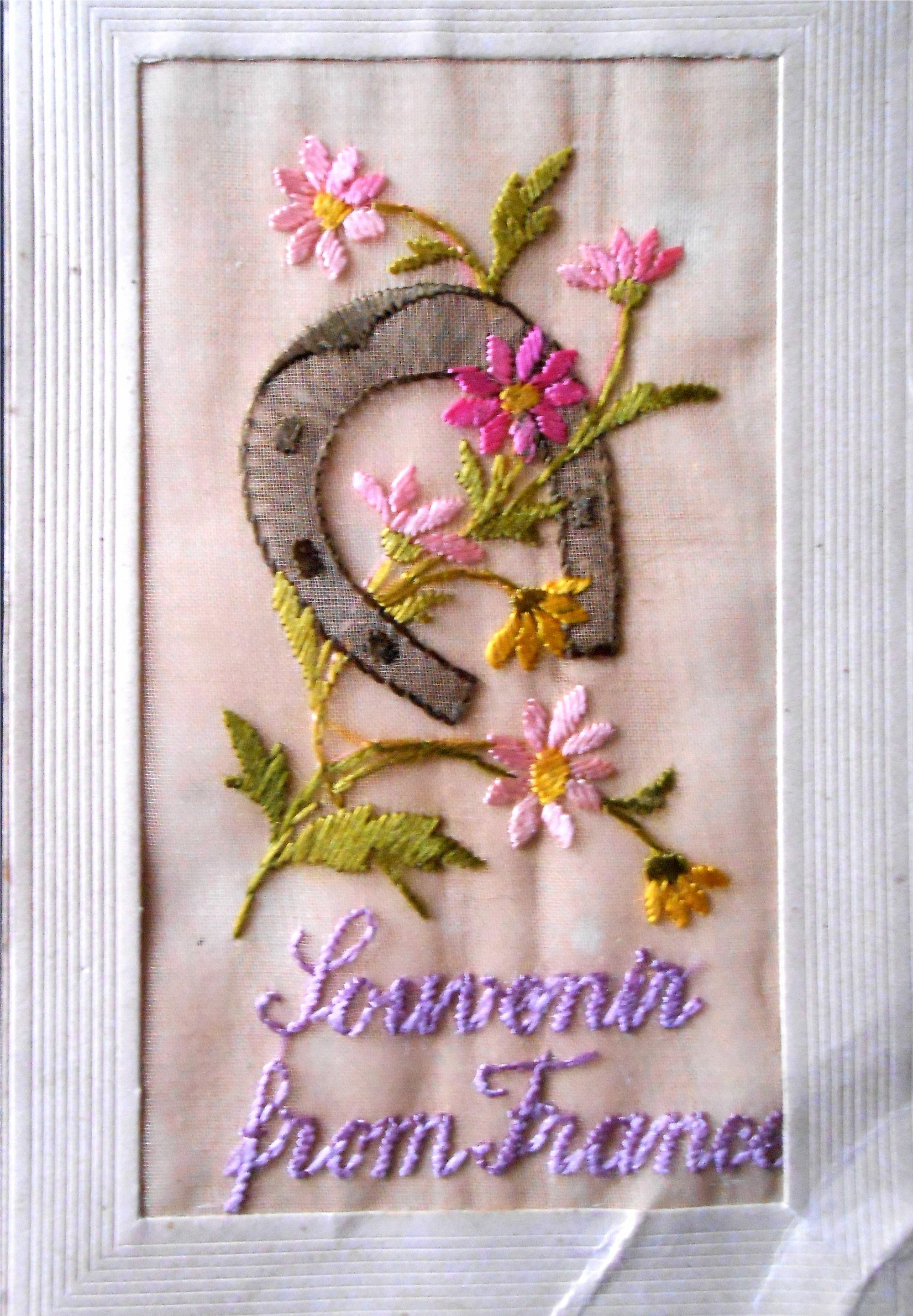 "SOUVENIR CARD" sent to "Miss Margaret Erfman" in Indiana, USA: "From your Friend Louis Stohlman, Batt. C53 Art Amer E. F, France" 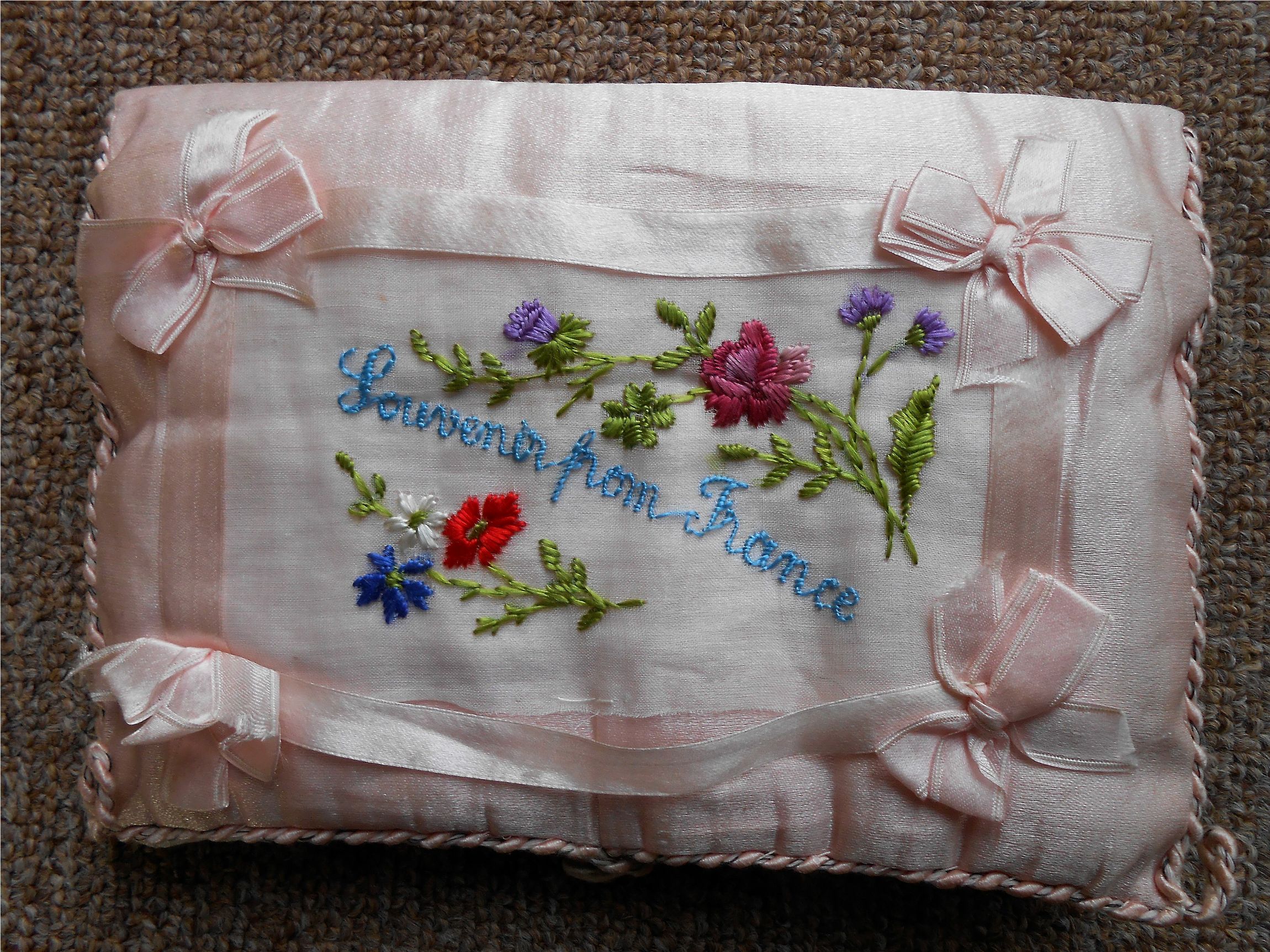 This "silk" has been sewn into a handkerchief holder for a Lady - "Souvenir from France" 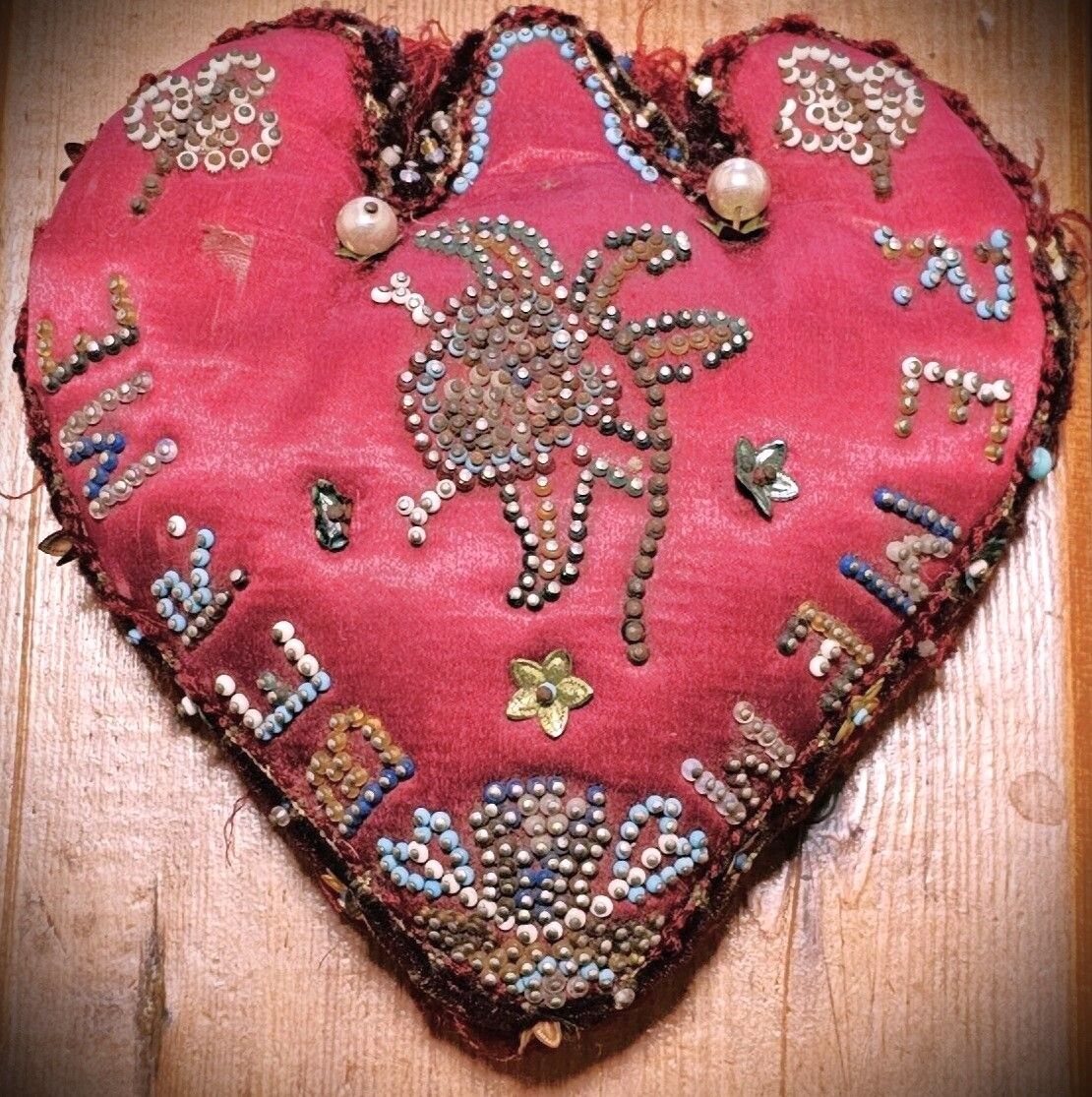 "REMEMBER ME" Sweetheart Pillow 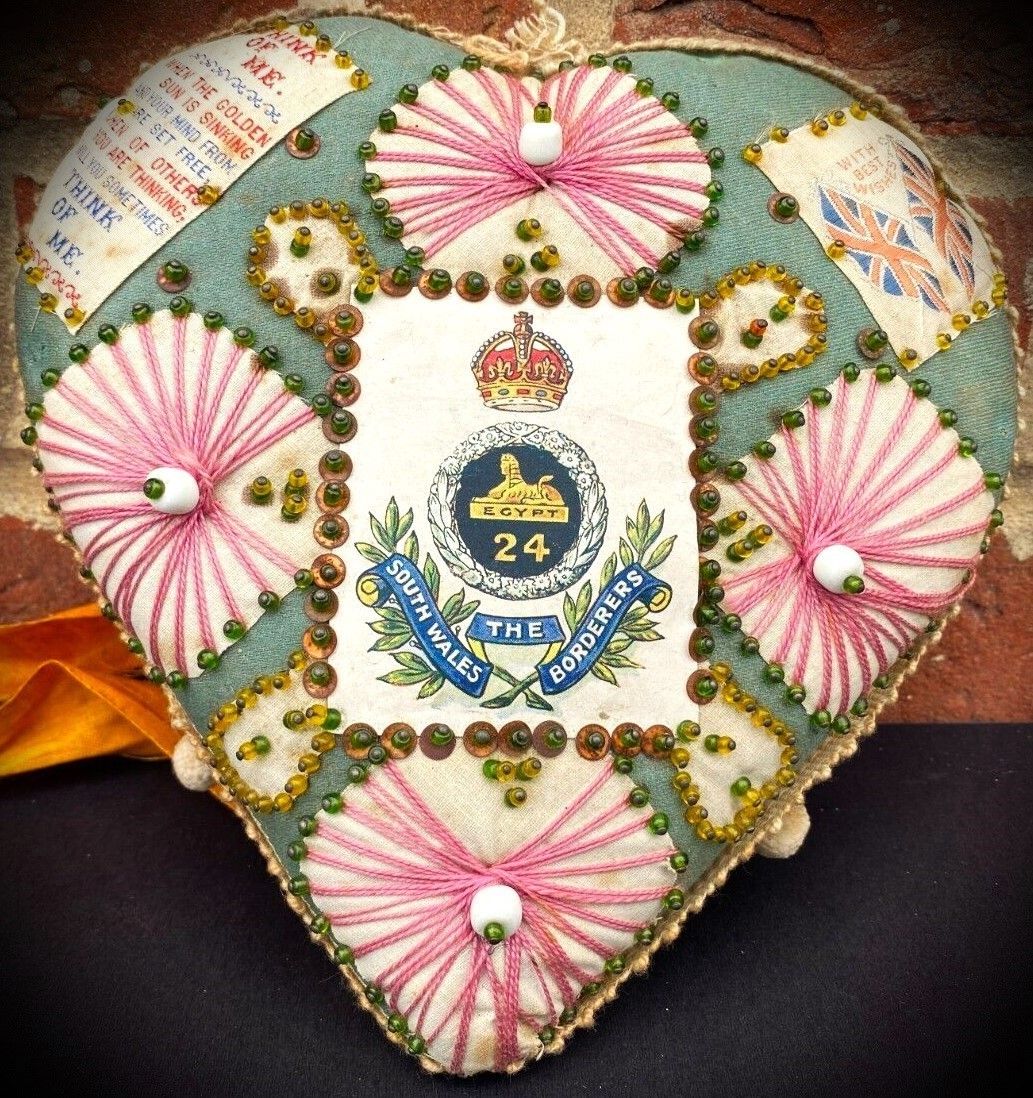 "THINK OF ME" Sweetheart Pillow "WHEN THE GOLDEN SUN IS SINKING
AND YOUR MIND FROM CARE SET FREE WHEN OF OTHERS YOU ARE THINKING WILL YOU SOMETIMES THINK OF ME" 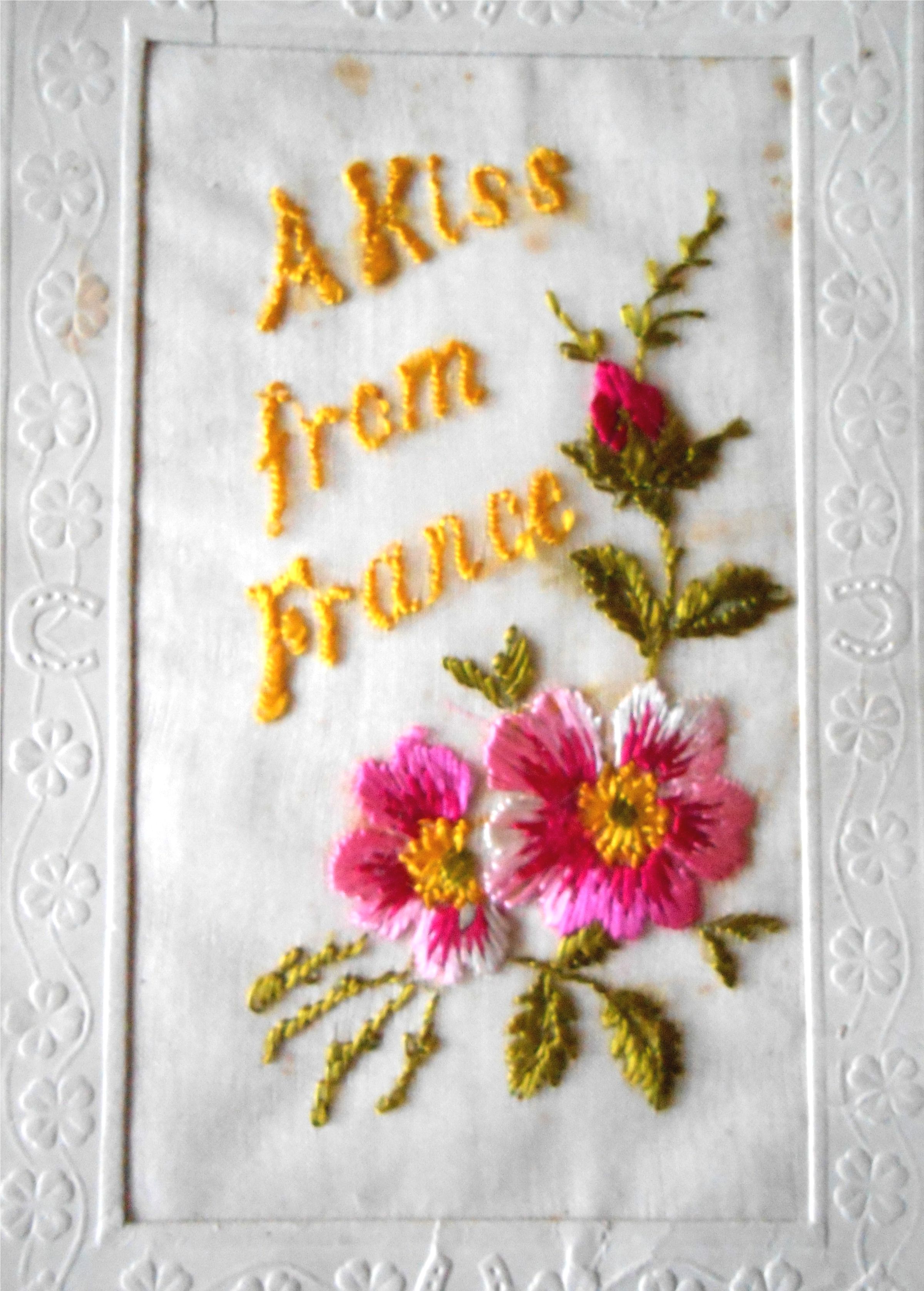 To: "Miss N. Pacey, 10 Park Street, Bletchley, England": "Dear Norah, just a card from France in answer to your loving letter which I was so pleased to get and thank you very much, give my love to your Father & Mother & dear old Beat & I hope I shall see you all again some day, ever your loving uncle, C W Burt" 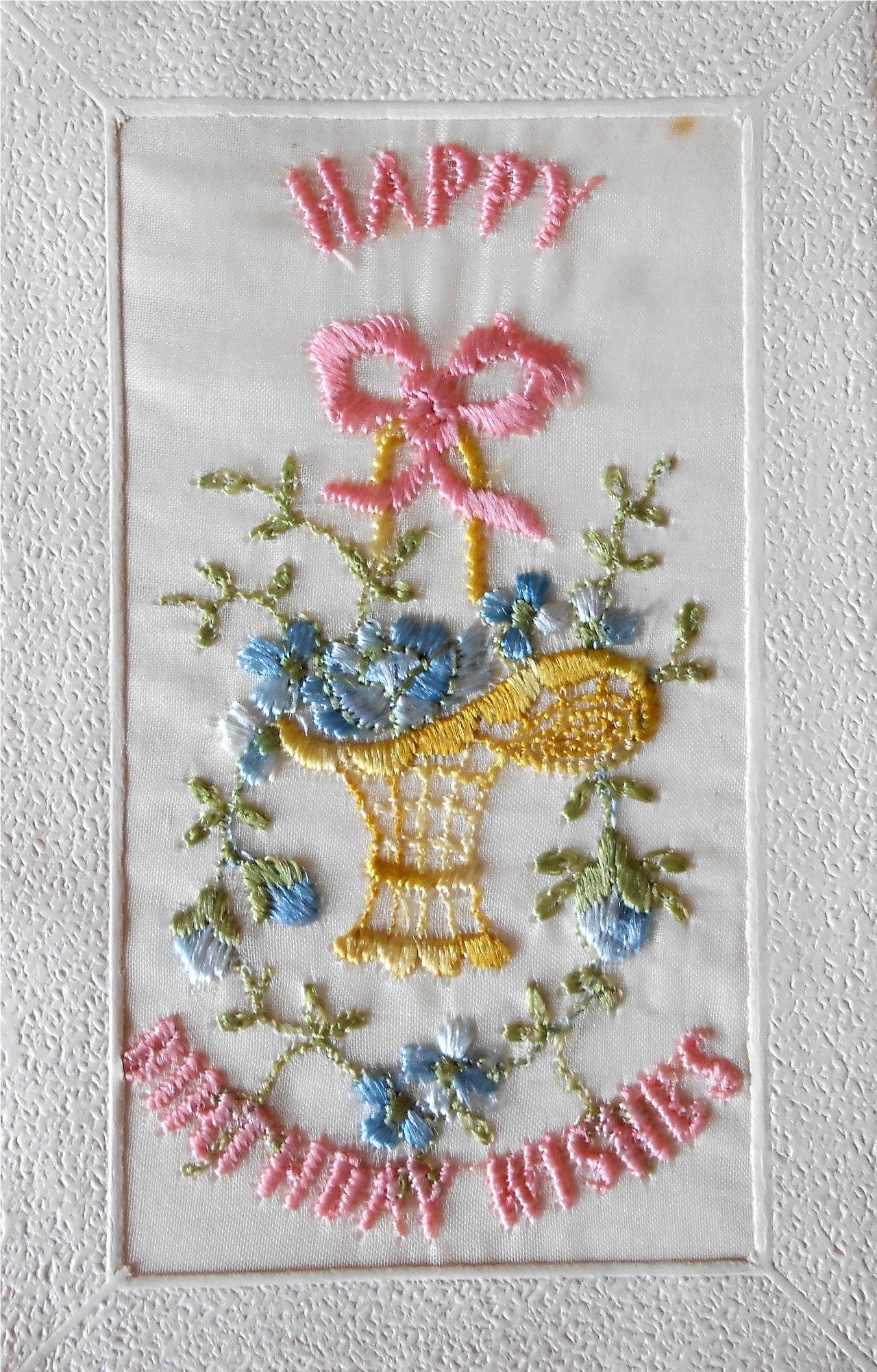 To: "Miss G. Firth, Wood Willows, Stocksbridge, Nr Sheffield, England" - "With Best and fondest love to Gladys From Harry Somewhere in France xxxxxxxxxxxxxxx" 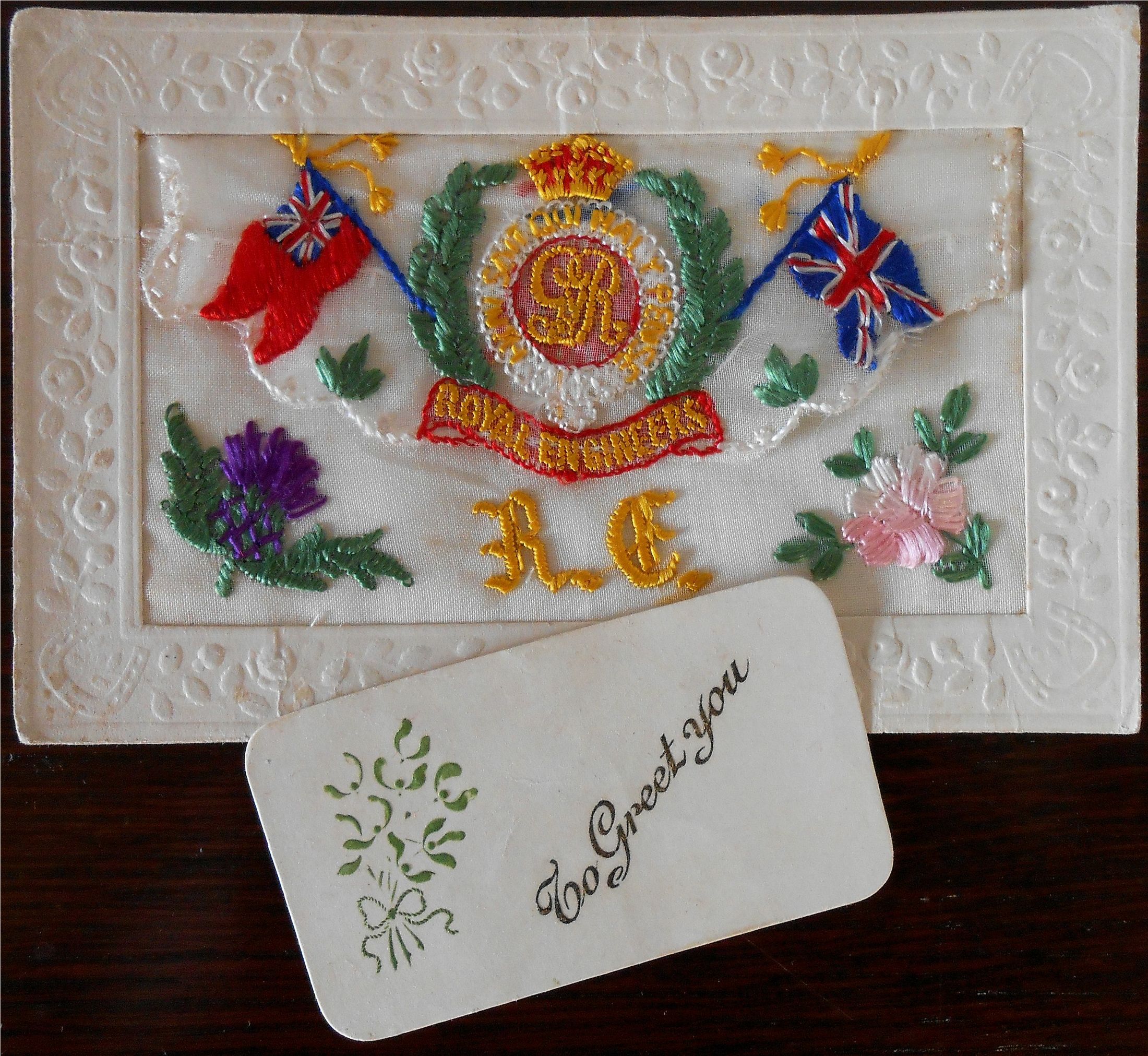 A "REGIMENTAL SERVICES" card - displaying the Royal Engineers emblem & initials "R.E.", with an insert card with the message: "To Greet you" 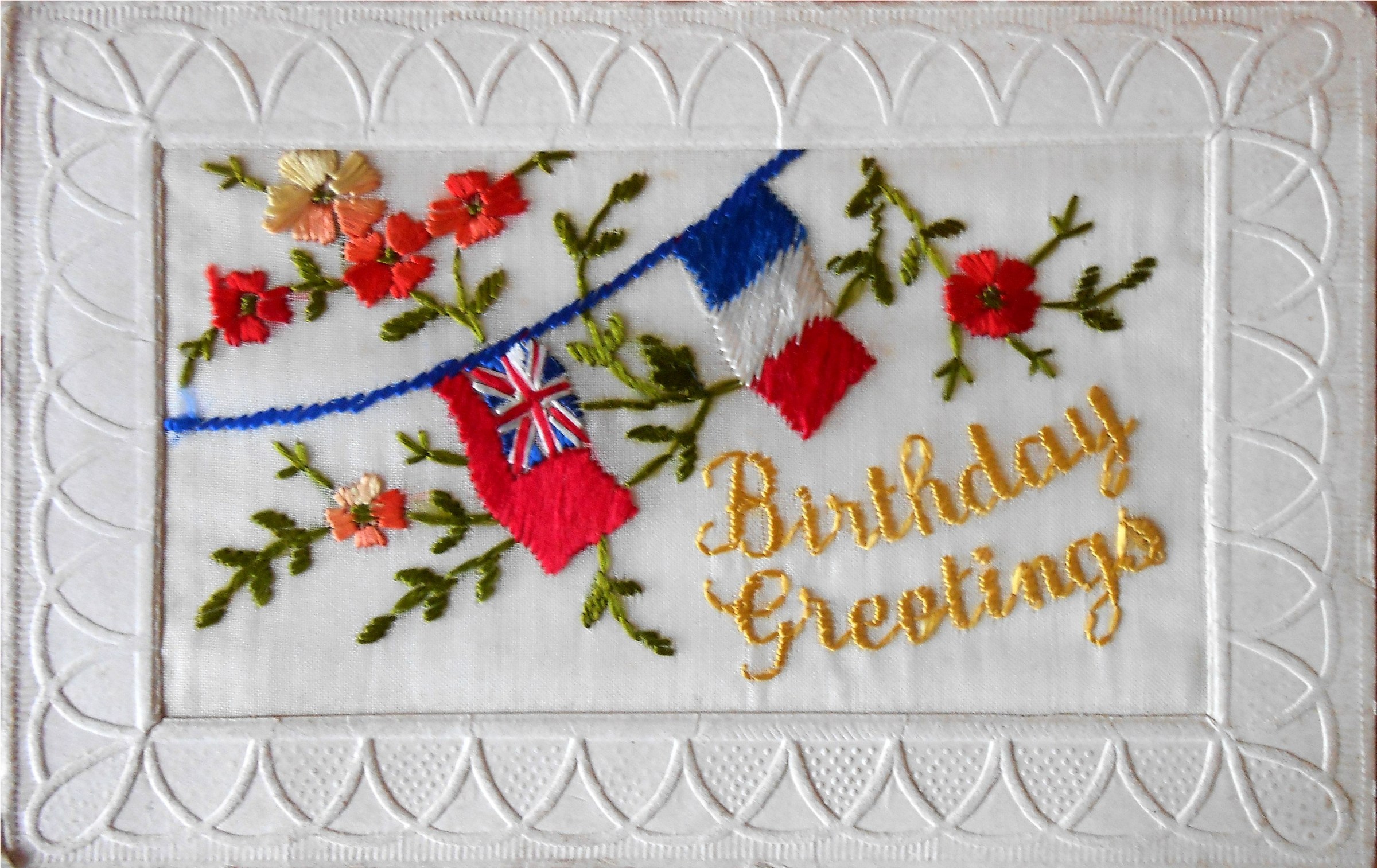 A "BIRTHDAY CARD" with a message: "Dear Charlie, wishing you many happy returns of the day From a Friend B. Fp"                    FURTHER READING: 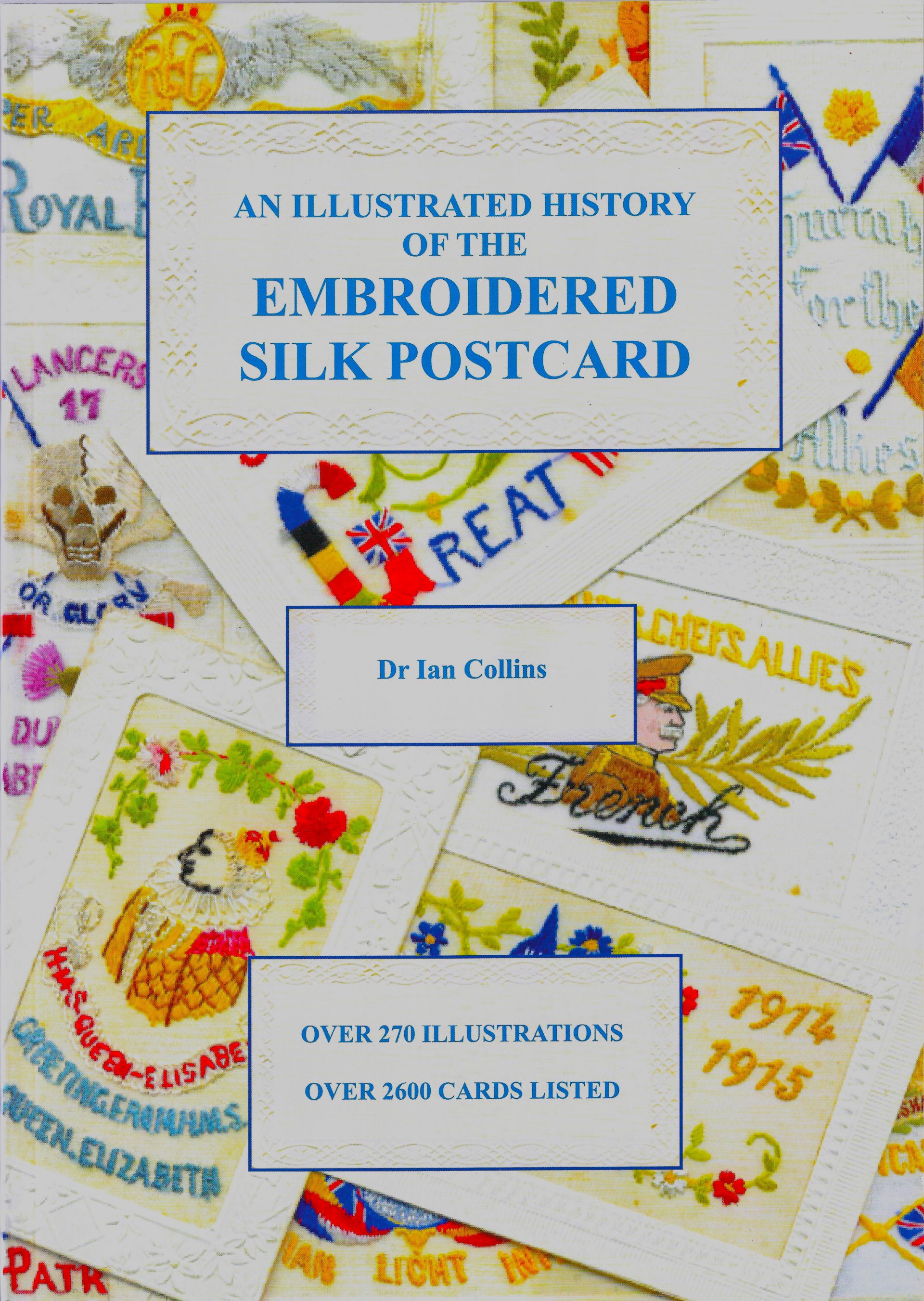 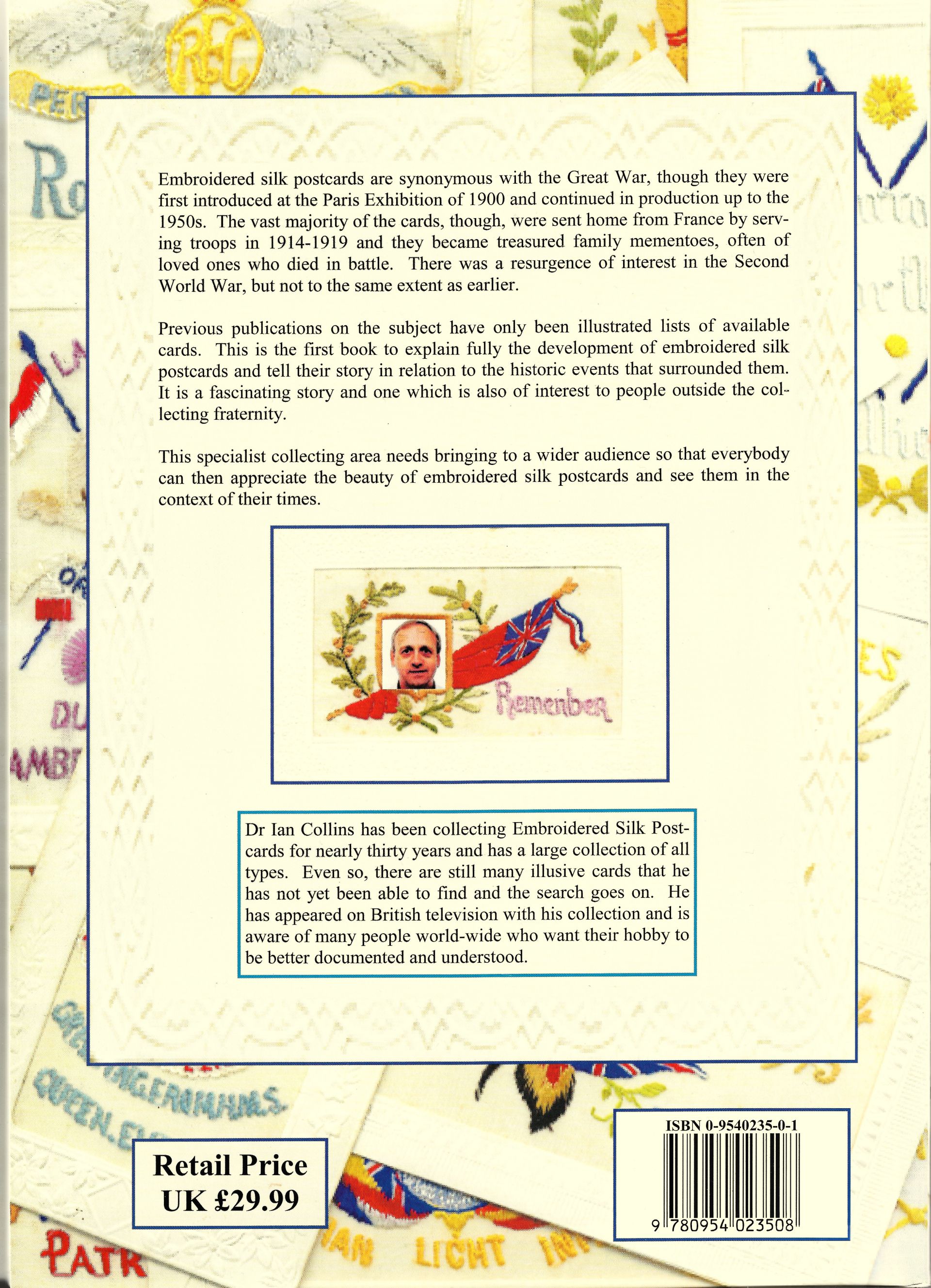 (above) AN ILLUSTRATED HISTORY OF THE EMBROIDERED SILK POSTCARD by Dr Ian Collins (ISBN 0-9540-235-0-1) WEBSITE LINK: http://sites.google.com/site/embroideredsilkpostcards 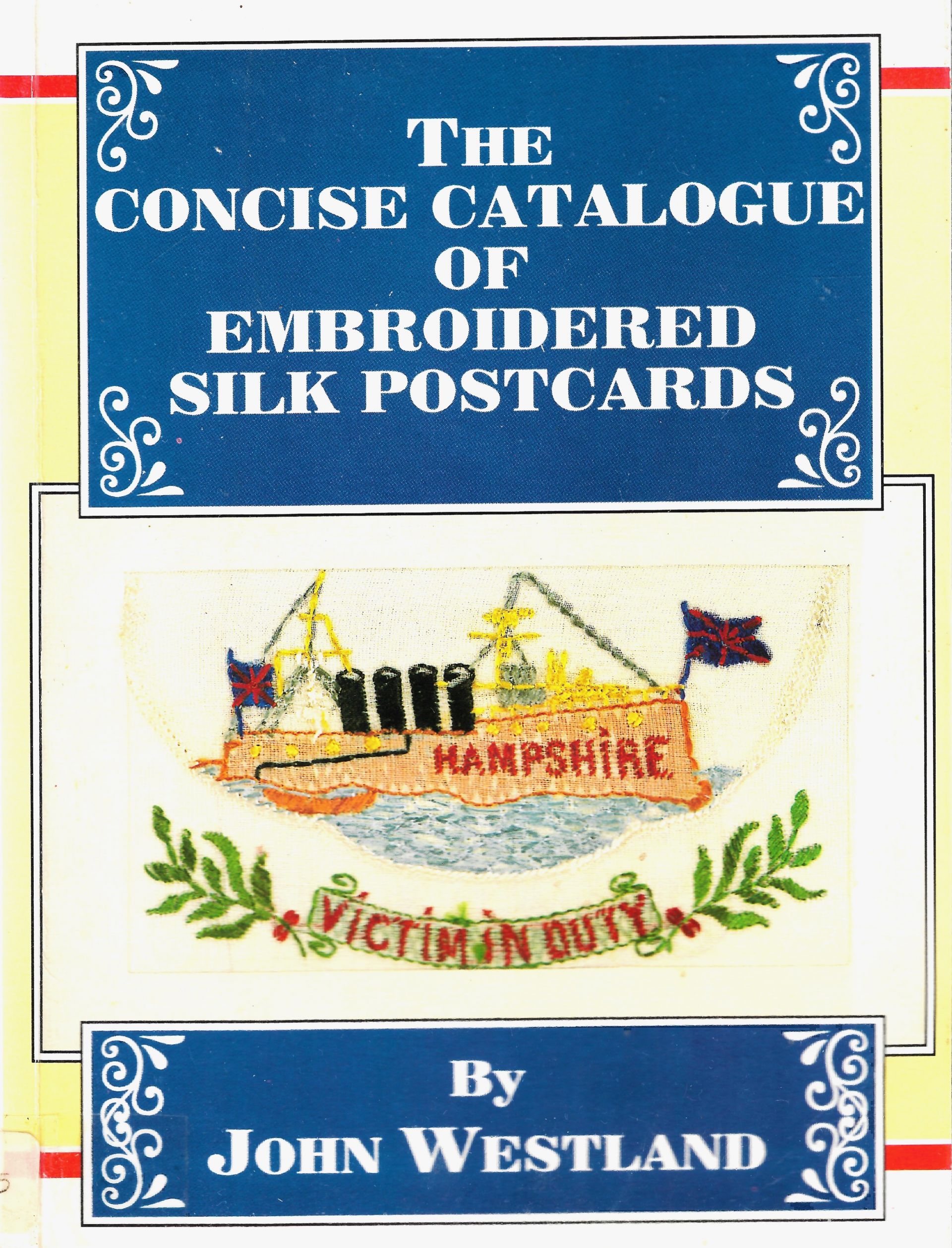 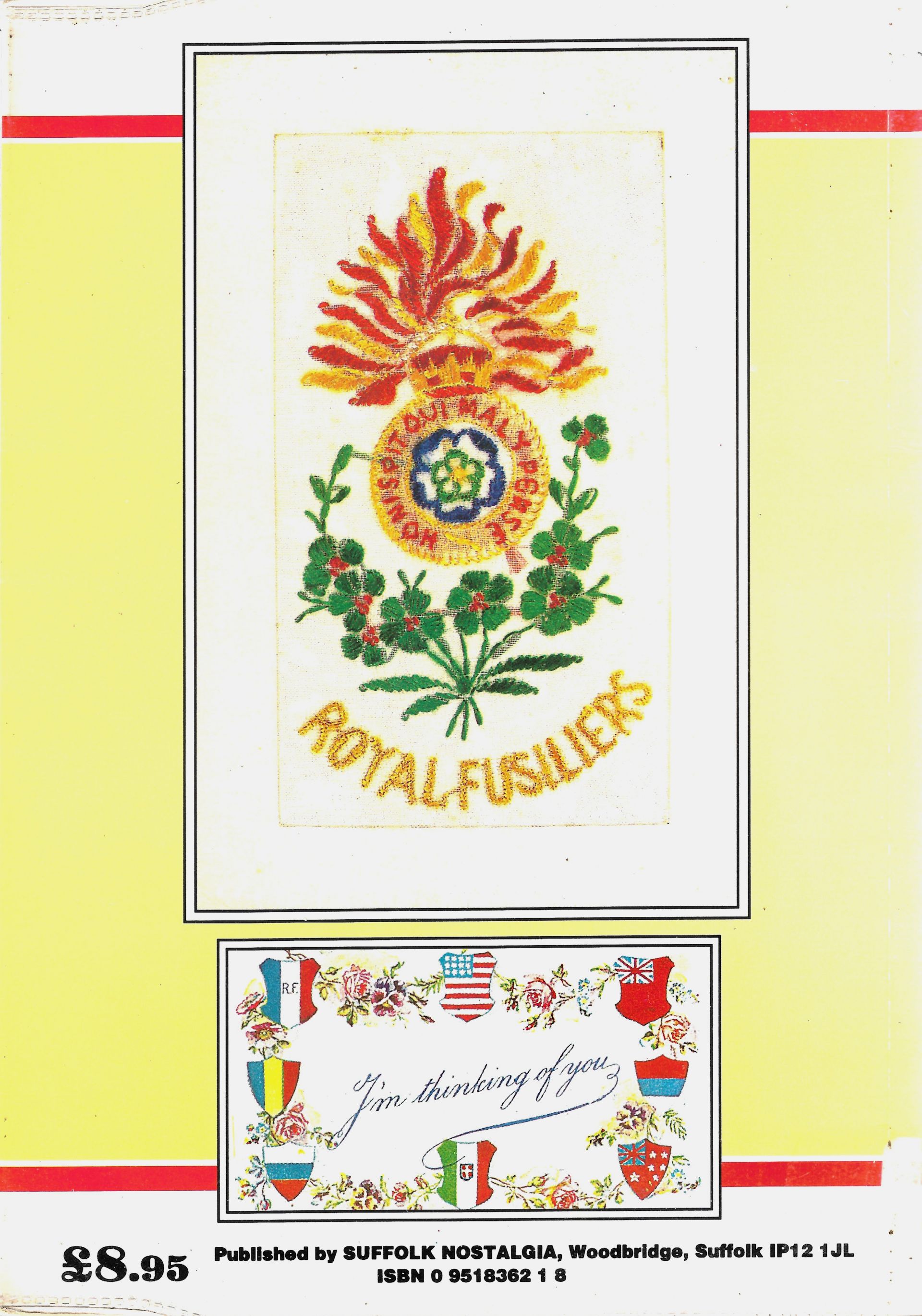 (above) THE CONCISE CATALOGUE OF EMBROIDERED SILK POSTCARDS by John Westland (ISBN 0-9518-362-1-8)  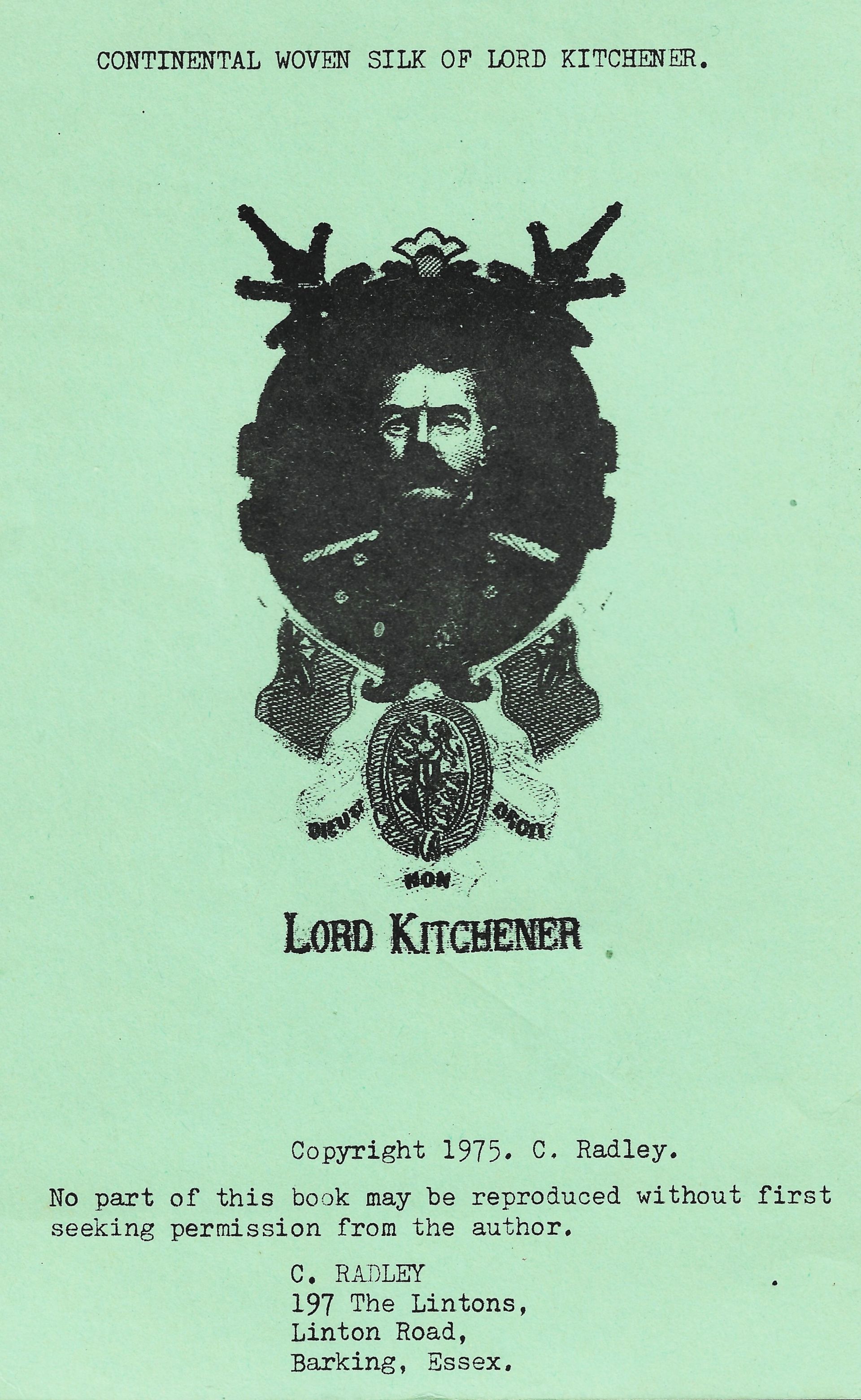 (above) HISTORY OF SILK POSTCARDS by C. Radley (1975) 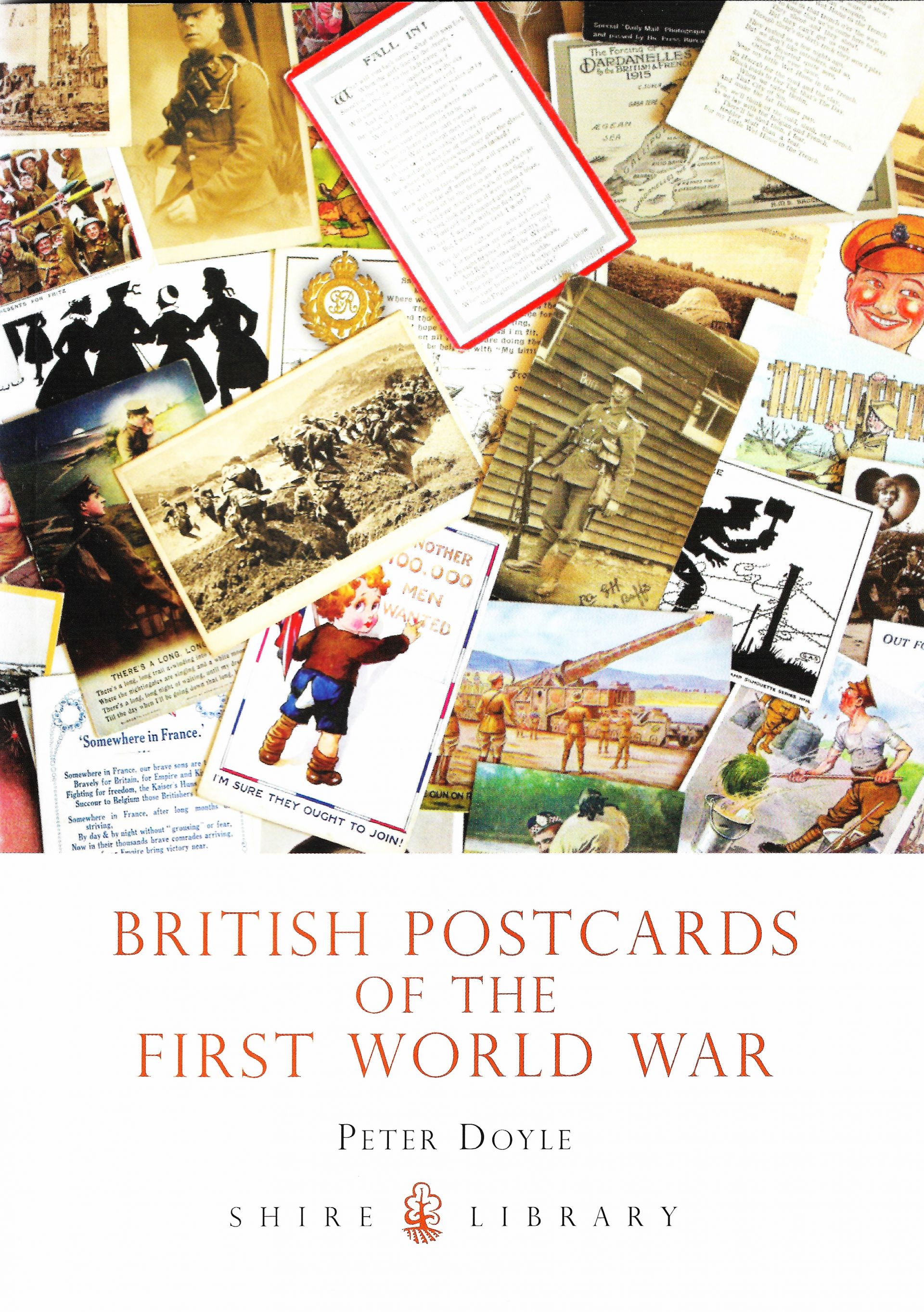 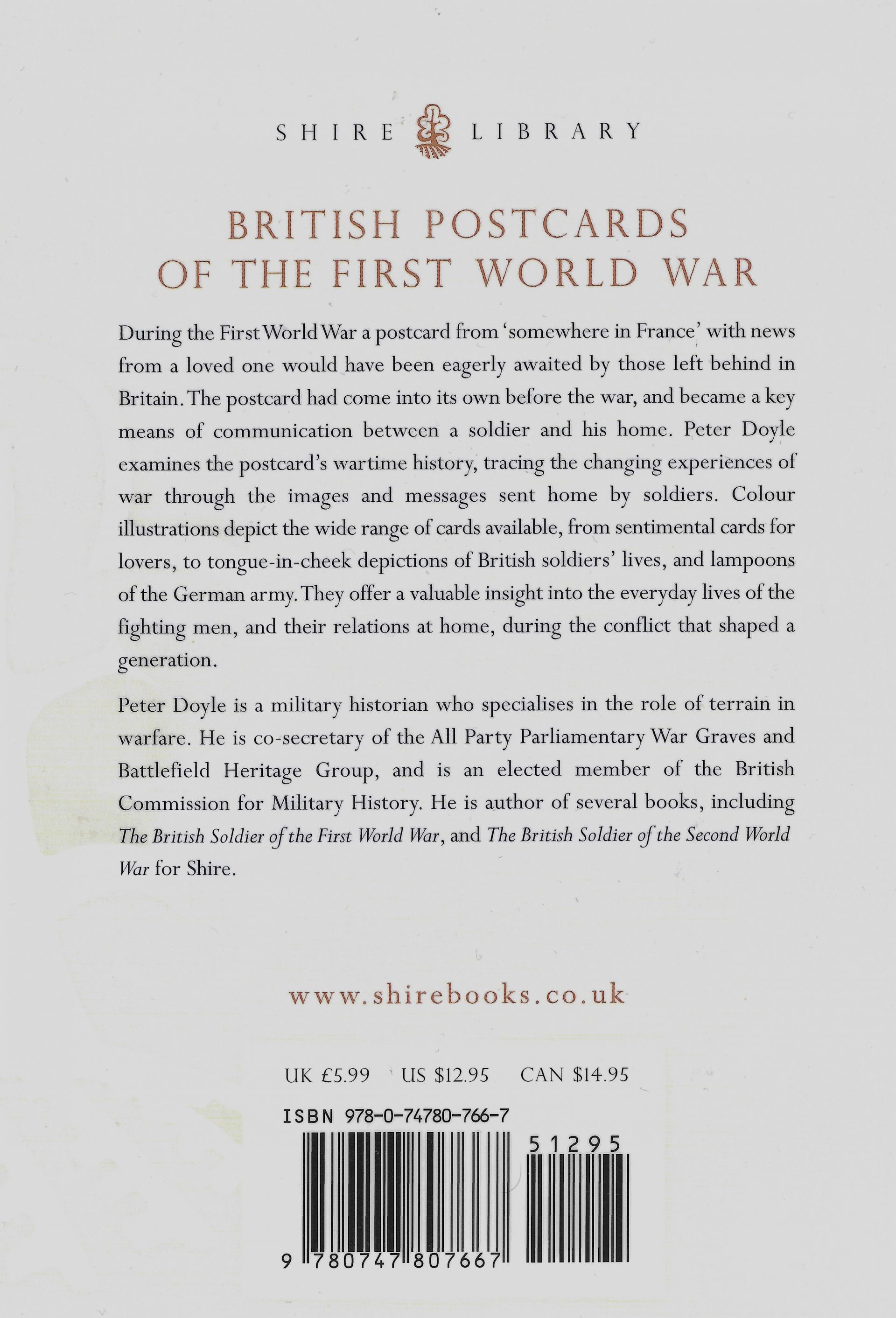 (above) BRITISH POSTCARDS OF THE FIRST WORLD WAR by Peter Doyle (ISBN 978-0-74780-766-7) 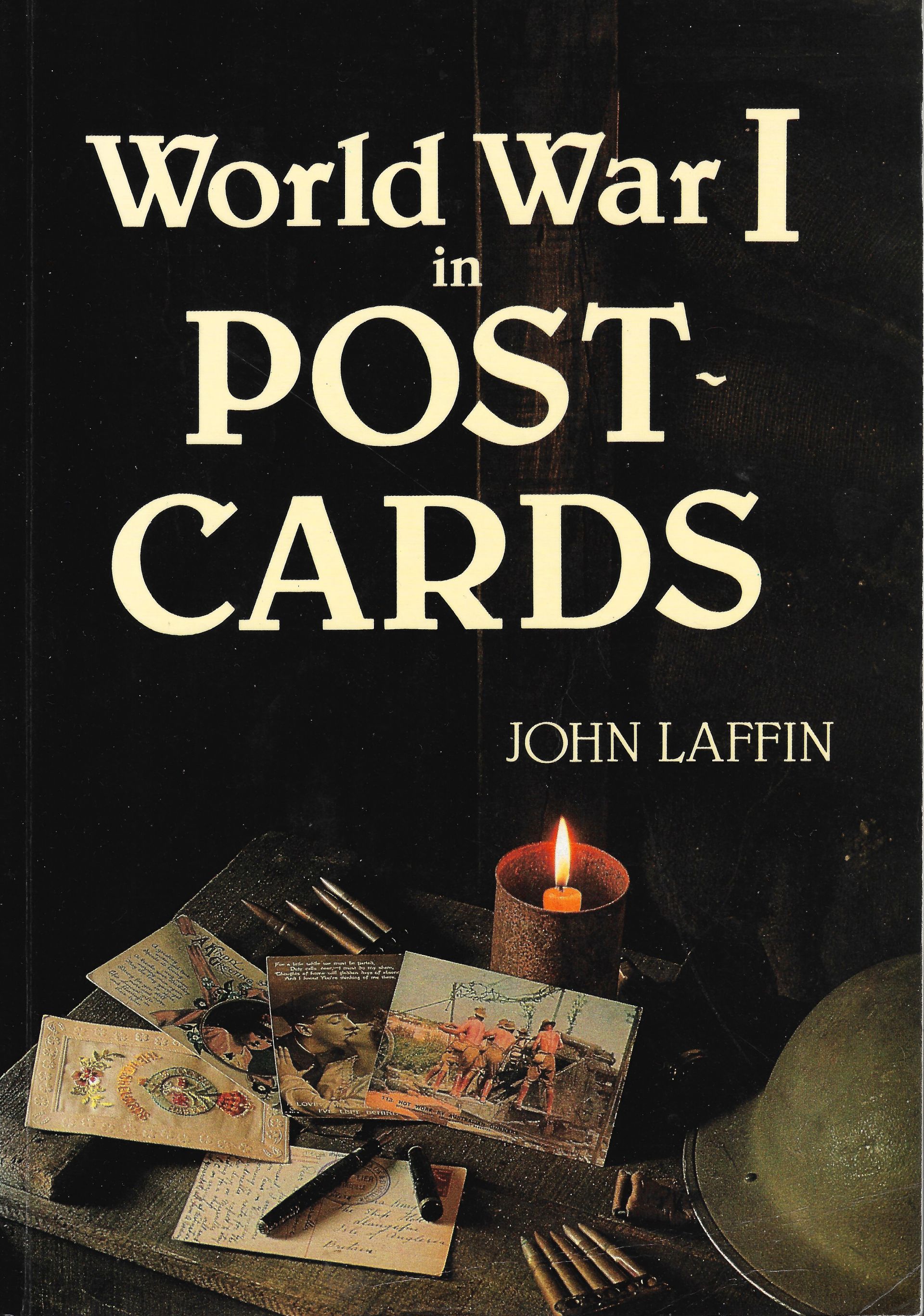 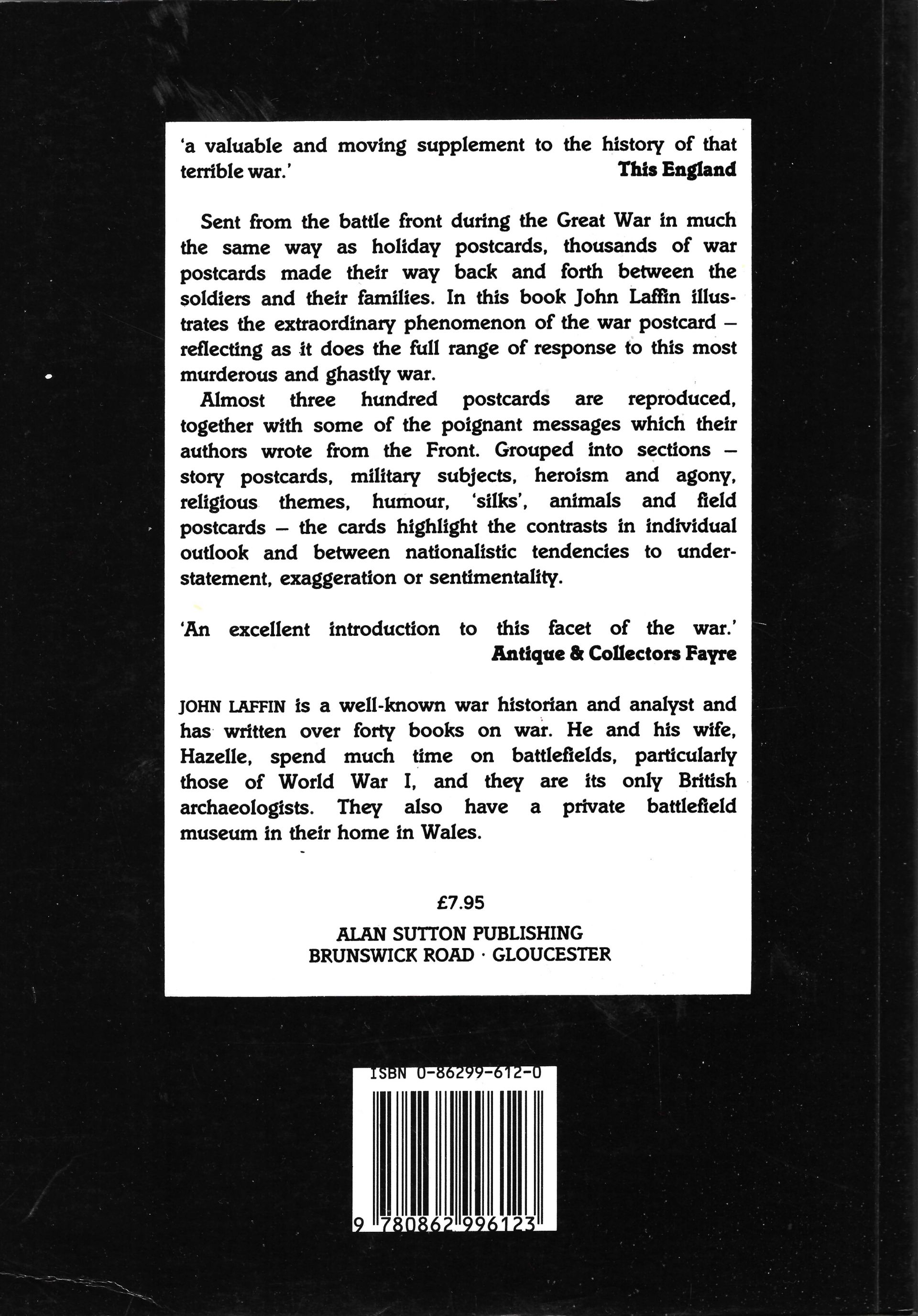 (above) World War 1 in POSTCARDS by John Laffin (ISBN 0-86299-612-0) 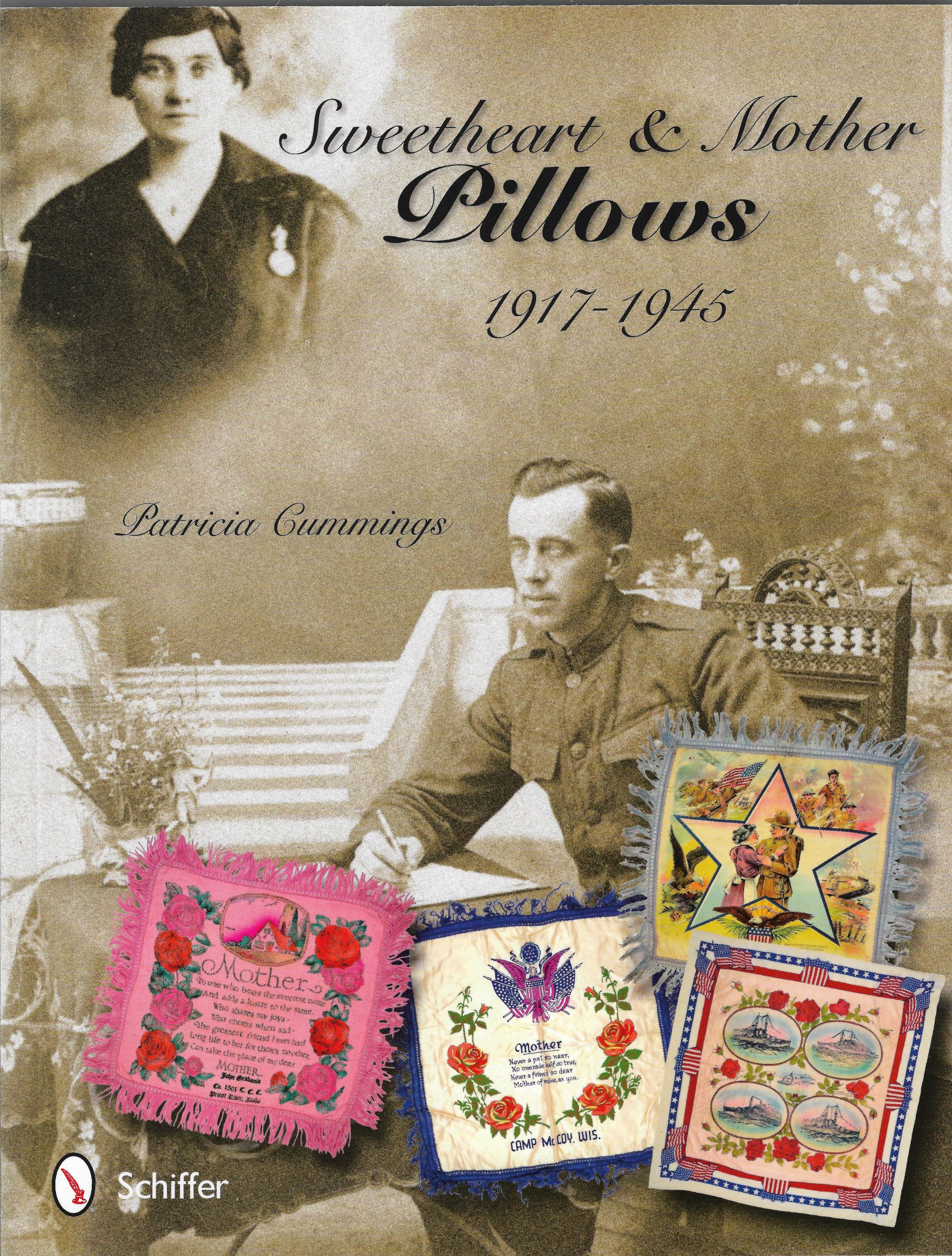 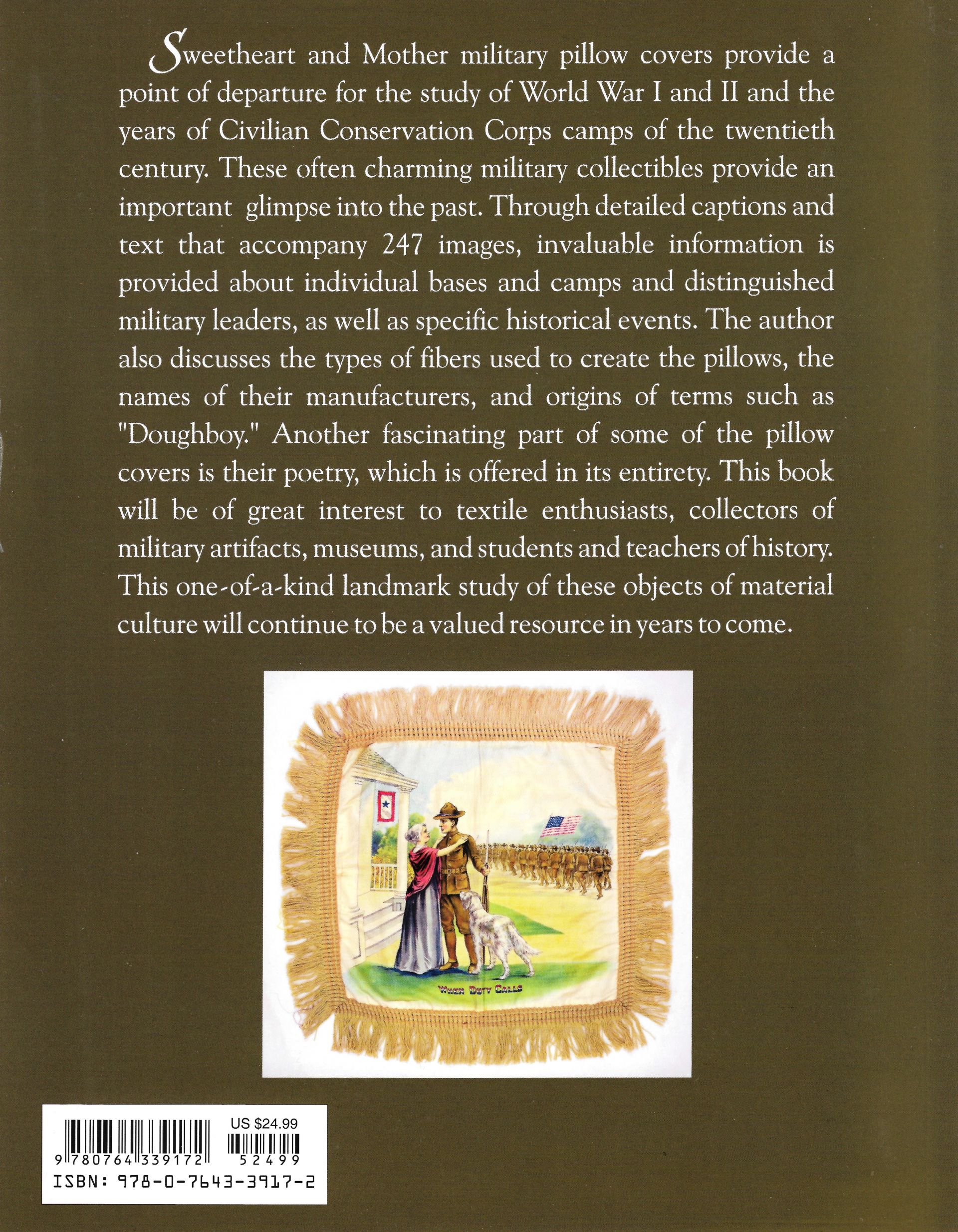 (above) Sweetheart & Mother Pillows 1917 - 1945 by Patricia Cummings (ISBN 978-0-7643-3917-2) 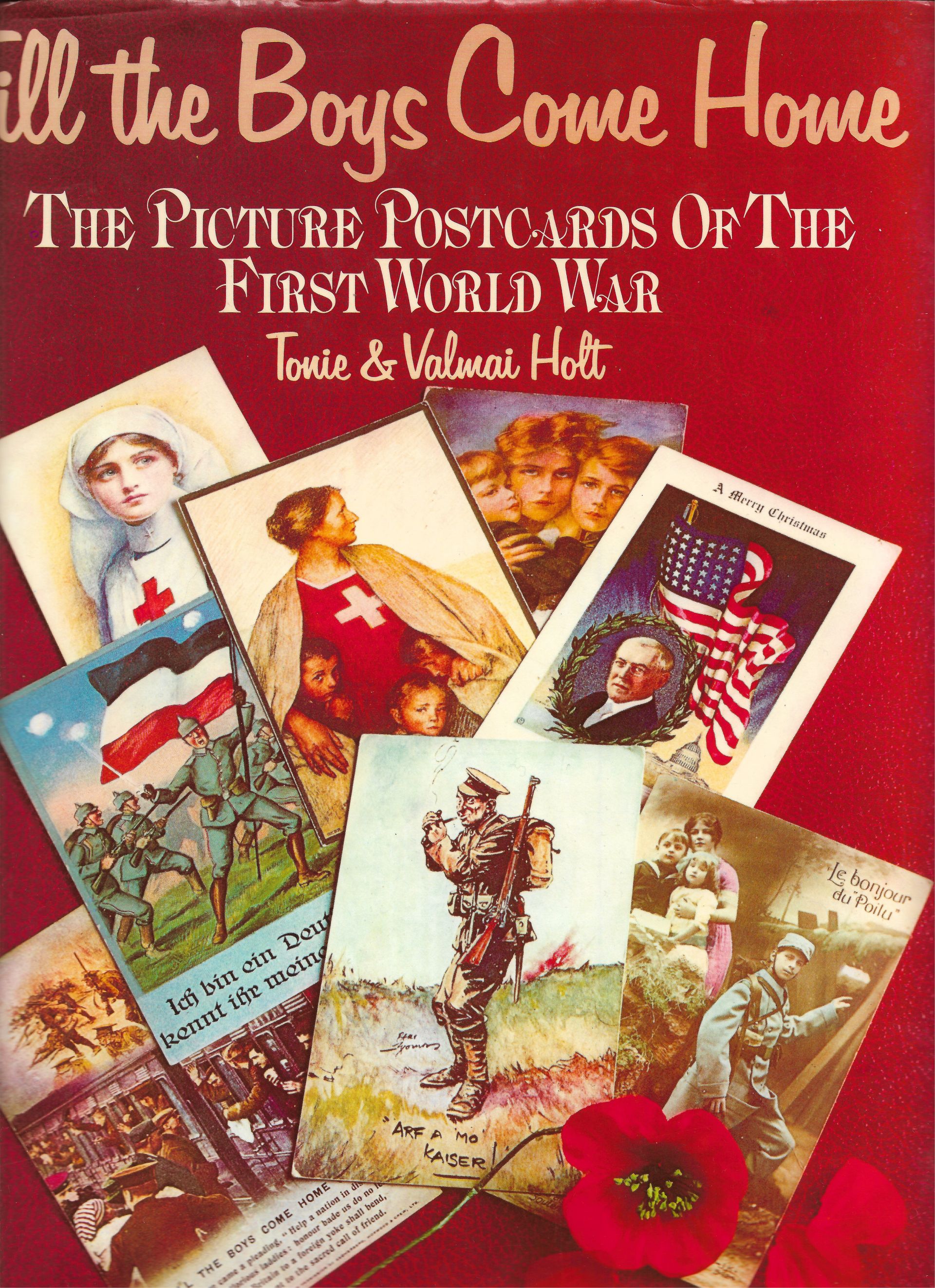  (above) Till the Boys Come Home - The Picture Postcards Of The First World War by Toni and Valmai Holt (ISBN 0-354-04166-5) 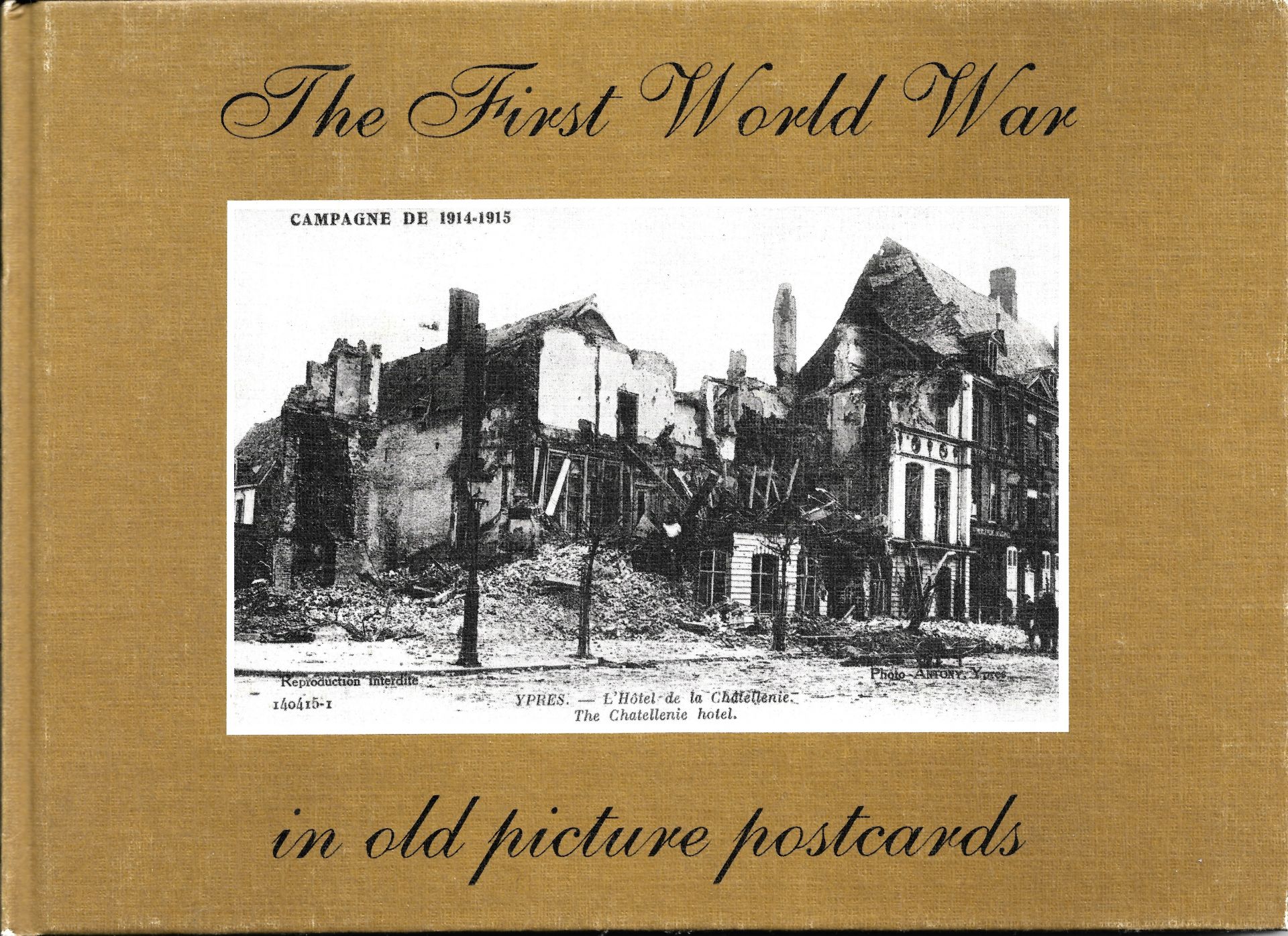  (above) The First World War in old picture postcards by Bob Currie (ISBN 90-288-4732-4)  |
 |
 |
||



| Site Map |